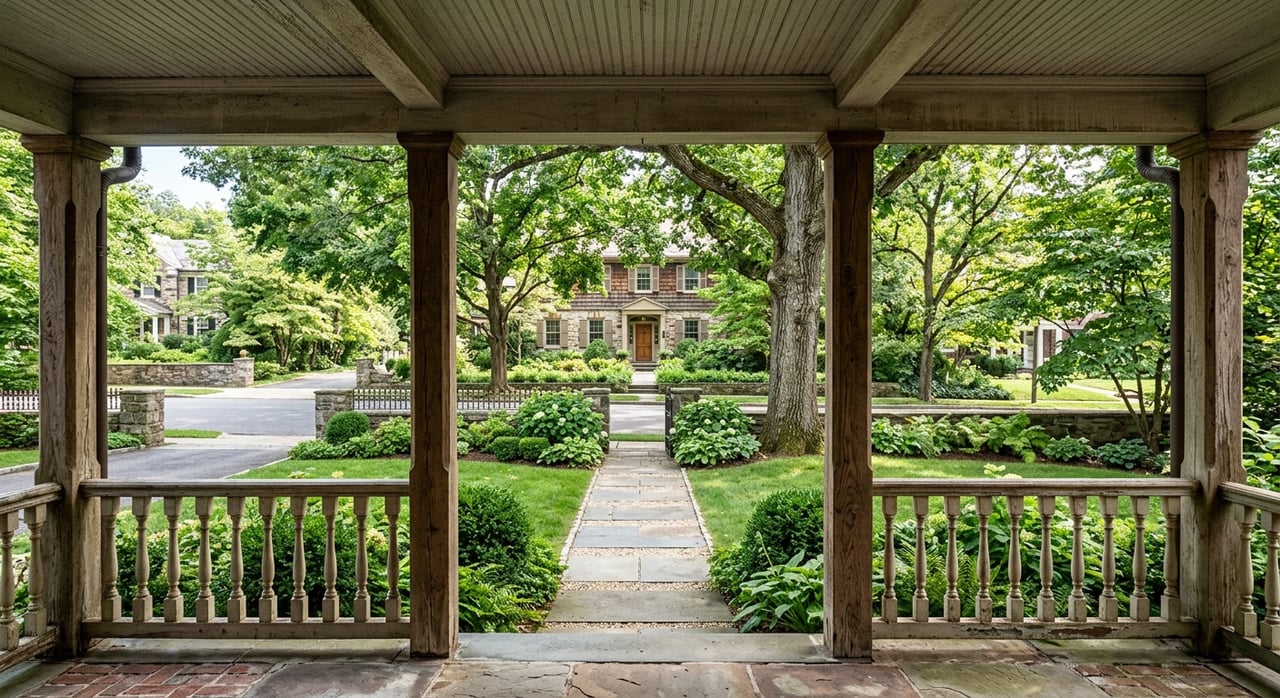
If you love the idea of living in a neighborhood with deep roots, distinctive architecture, and easy access to some of Atlanta’s best intown destinations, Inman Park likely belongs on your shortlist. For many buyers, the challenge is figuring out whether its historic beauty, premium pricing, and preservation rules truly fit their lifestyle. This guide will help you understand what makes Inman Park so special, what types of homes you’ll actually find here, and what to think through before you buy. Let’s dive in.
Why Inman Park Stands Out
Inman Park has a story that few Atlanta neighborhoods can match. It is widely recognized as Atlanta’s first planned residential suburb and the city’s first electric trolley neighborhood, developed in the late 1880s about two miles east of downtown. Its original design centered on curved streets, large lots, and parks, and those early planning decisions still shape the neighborhood today.
That sense of history is not just a marketing label. Inman Park is listed on the National Register of Historic Places, and the City of Atlanta also recognizes it as a designated historic district. For buyers who want a home with character and a neighborhood with a strong preservation identity, that designation is a major part of the appeal.
The neighborhood’s restoration culture also runs deep. The Inman Park Festival and Tour of Homes began in 1972 as a showcase for homes residents were restoring, and that legacy still influences how people think about buying here. In many ways, Inman Park appeals to buyers who see themselves as stewards of a home’s story, not just owners of a property.
Historic Homes With Real Variety
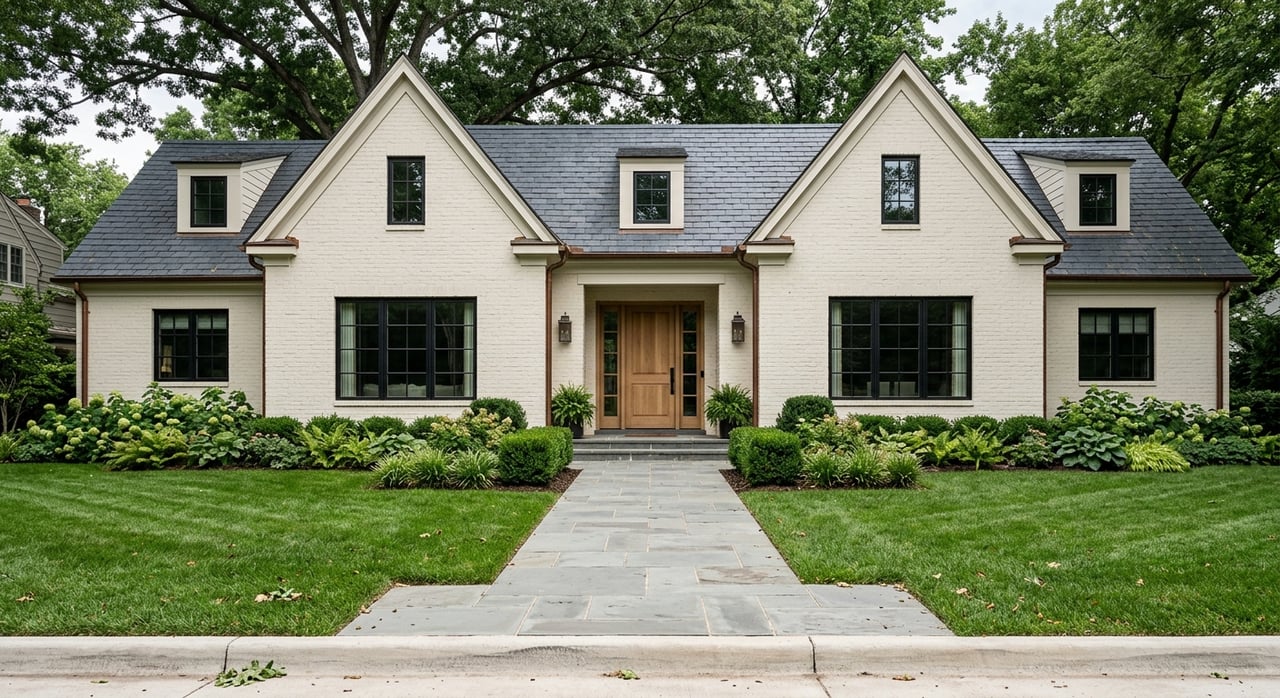
One of the most appealing things about Inman Park is that its historic charm does not come in just one form. The National Register record identifies Queen Anne, Colonial Revival, and Shingle Style as core historic architectural styles in the neighborhood. At the same time, local home tour descriptions show a broader housing mix that includes Victorians, bungalows, American Four-squares, Classic Revivals, American Small Houses, townhomes, and loft conversions in former industrial buildings.
That variety matters because buyers do not all want the same living experience. Some people are drawn to original millwork, wraparound porches, tall windows, and period details. Others want the neighborhood setting and charm but prefer something with less exterior upkeep and a more lock-and-leave feel.
If you want a classic historic-home experience, you may be most interested in older single-family houses with preserved architectural details. If you want lower maintenance, a condo, townhome, or loft-style property may offer a more practical way to enjoy the neighborhood. Inman Park can support both goals, which is part of what makes it such a compelling intown option.
Walkability and BeltLine Access
For many intown buyers, architecture alone is not enough. You also want a neighborhood that makes daily life easier and more enjoyable. Inman Park’s location is one of its strongest advantages because it offers access to the Atlanta BeltLine Eastside Trail and connections to several popular intown destinations.
The BeltLine identifies Inman Park as one of the neighborhoods along the Eastside Trail, which runs from the tip of Piedmont Park to Reynoldstown. That trail access supports the neighborhood’s reputation for walkable intown living and makes it easier to move between home, parks, and commercial areas without relying on a car for every outing.
The BeltLine also notes walk-up access to Ponce City Market and Krog Street Market from the trail. For buyers, that means Inman Park offers more than beautiful homes. It offers a lifestyle where weekend plans, coffee runs, dining, and outdoor time can all feel close at hand.
Why Krog Street Tunnel Matters
Krog Street Tunnel plays an important role in neighborhood connectivity. The BeltLine describes it as linking Cabbagetown, Reynoldstown, and Inman Park, while also serving as an access point for the Eastside Trail. That makes Inman Park feel connected not only to its immediate surroundings, but also to a wider network of intown neighborhoods.
If you enjoy exploring Atlanta by foot, bike, or short drive, this connectivity can become part of your daily routine. It is one of the reasons buyers who value both historic architecture and modern convenience are often drawn to this part of the city.
How Inman Park Compares to Other Intown Neighborhoods
If you are considering Inman Park, you are probably also looking at other intown neighborhoods with strong identity and central location. The most relevant alternatives often include Old Fourth Ward, Poncey-Highland, Virginia Highland, Candler Park, Grant Park, Cabbagetown, and Reynoldstown. These neighborhoods come up repeatedly in BeltLine coverage and neighborhood comparison data tied to Inman Park.
What tends to set Inman Park apart is the combination of historic-district status, architectural variety, and BeltLine-connected location. Some nearby neighborhoods may offer their own mix of charm, access, or housing styles, but Inman Park is often the choice for buyers who want an especially established historic feel paired with a highly connected intown setting.
That said, the right fit depends on your priorities. If your top goal is preservation-minded architecture and a neighborhood with a long-established identity, Inman Park may rise to the top. If your goal is simply BeltLine access or a broader range of price points, comparing several nearby neighborhoods can help you narrow your search.
What Prices Suggest About the Market
Inman Park generally sits in a premium intown price bracket. Current market readings vary by source and method, but they point in the same direction. Realtor.com reports a median asking price of $647,500 and a median of 55 days on market, while Redfin reports a median sale price of $707,000 in March 2026 and 69 days on market. Zillow’s home value index places the average home value at $767,484 as of March 31, 2026.
The key takeaway is simple. Buyers usually come to Inman Park for character, location, and preservation value, not because it is a low-cost way into intown Atlanta. If this neighborhood is on your radar, it helps to go in with realistic expectations about pricing.
At the same time, the housing mix still creates some range in what you may find. Because inventory can include houses, condos, townhomes, and loft-style homes, there may be more variety than buyers expect from a historic neighborhood. That does not make Inman Park inexpensive, but it can create more than one path into the area.
Renovation Rules Buyers Should Understand
Historic charm often comes with added responsibility, and Inman Park is no exception. Because it is a designated historic district, buyers should verify a property through the City of Atlanta GIS or property map and review the applicable rules in Chapter 20 of the city code before making plans for exterior changes.
The City of Atlanta says the required historic-preservation permit is called a Certificate of Appropriateness, often shortened to COA. Some applications are reviewed by staff, while others go before the Urban Design Commission. For a buyer, that means renovation planning is not just about budget and design. It is also about process and approval.
Changes to Think Through Before Closing
In Inman Park, exterior changes are generally more regulated than in many other intown neighborhoods. City code and staff reports indicate that major visible alterations and additions typically require a Type III COA. The standards also emphasize preserving historic materials and spatial relationships.
These rules can affect more projects than buyers initially expect. Plans for a deck, addition, window replacement, siding change, driveway adjustment, or tree removal should be considered before closing rather than after. The city materials also note standards around front window proportions, tree preservation and replacement under the tree ordinance, and restrictions on certain siding materials, including vinyl in some applications.
None of this means you should avoid the neighborhood. It means you should buy with a clear understanding of what stewardship may involve. If you love historic homes, this process may feel like a worthwhile tradeoff for living in one of Atlanta’s most distinctive neighborhoods.
Is Inman Park Right for You?
Inman Park tends to appeal most to buyers who value a sense of place as much as square footage. If you want a home with visible architectural character, a neighborhood with a long preservation story, and strong access to the BeltLine and nearby intown destinations, it offers a rare combination.
It can be especially appealing if you are comfortable balancing beauty with responsibility. A historic home may bring more maintenance decisions, more renovation review, and a higher price point than other options nearby. In return, you get a neighborhood that feels layered, established, and deeply connected to Atlanta’s past and present.
If you are weighing Inman Park against other intown neighborhoods, it helps to look beyond listing photos. Think about the kind of home you want to care for, how important walkability is in your daily life, and whether historic-district rules fit your long-term plans. That is usually where the right answer becomes clearer.
If you are ready to explore Inman Park with a thoughtful, local perspective, Adam Ellis can help you compare homes, understand the neighborhood’s nuances, and navigate your next move with care.
FAQs
What makes Inman Park historically significant for Atlanta buyers?
- Inman Park is widely recognized as Atlanta’s first planned residential suburb and first electric trolley neighborhood, with roots dating to the late 1880s.
What types of homes can buyers find in Inman Park?
- Buyers can find a mix of historic single-family homes, including Queen Anne, Colonial Revival, and Shingle Style properties, along with bungalows, Four-squares, townhomes, condos, and loft conversions.
What do Inman Park home prices look like?
- Recent sources place Inman Park in a premium intown price bracket, with reported figures including a $647,500 median asking price, a $707,000 median sale price in March 2026, and a $767,484 average home value as of March 31, 2026.
What should buyers know about renovating a home in Inman Park?
- Because Inman Park is a designated historic district, many exterior changes may require a Certificate of Appropriateness from the City of Atlanta, so renovation plans should be reviewed before closing.
What intown neighborhoods should buyers compare with Inman Park?
- Buyers often compare Inman Park with Old Fourth Ward, Poncey-Highland, Virginia Highland, Candler Park, Grant Park, Cabbagetown, and Reynoldstown when evaluating intown options.