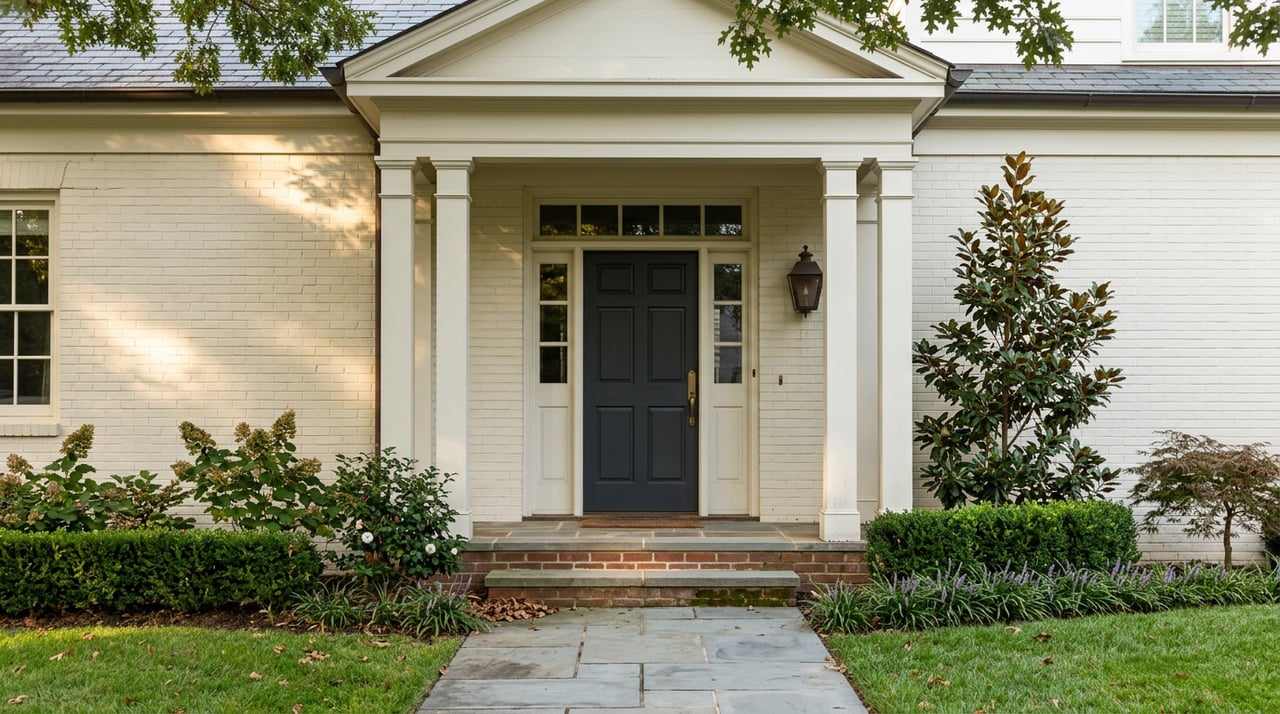
Walk Peachtree Circle this month and you will pass a lot where a house used to be. The Craftsman at 205 stood there for more than a century before its new owners tore it down in January to build something larger on the acre-plus lot. That demolition is the reason your neighbors have spent the past seven months arguing it out across six separate meetings with the Ansley Park Civic Association, the City of Atlanta, and Neighborhood Planning Unit-E, and now on Nextdoor threads that have gotten personal enough that even people who support the idea are tired of the fight.
A few blocks away, at the opposite edge of the neighborhood, a different kind of change already happened. Nobody argued about it, because by the time most residents noticed, the bridge was open and the barbecue line was out the door.
Those two facts sitting next to each other on the calendar are the actual story this fall. Ansley Park is debating how much change to allow on one residential street while it has already absorbed a much bigger change at its border, largely without a public fight. Here is what both look like right now, and why the contrast matters if you live inside either radius.
The Argument on Peachtree Circle
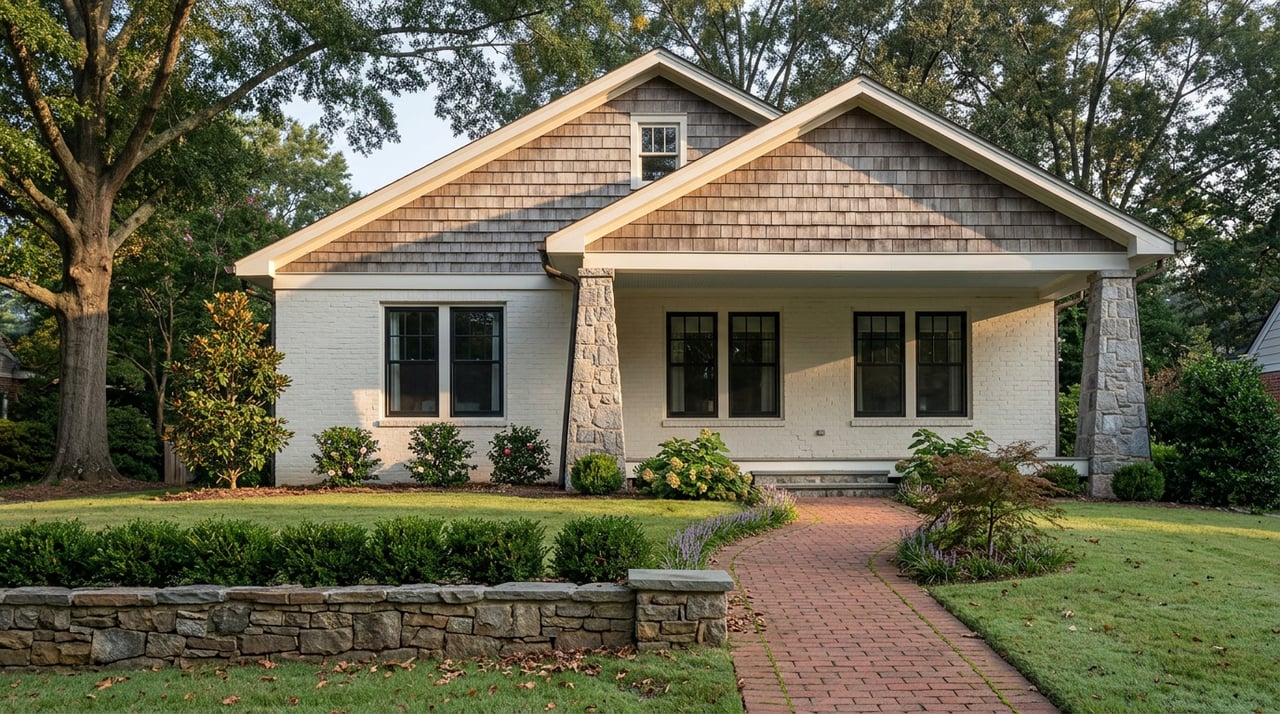
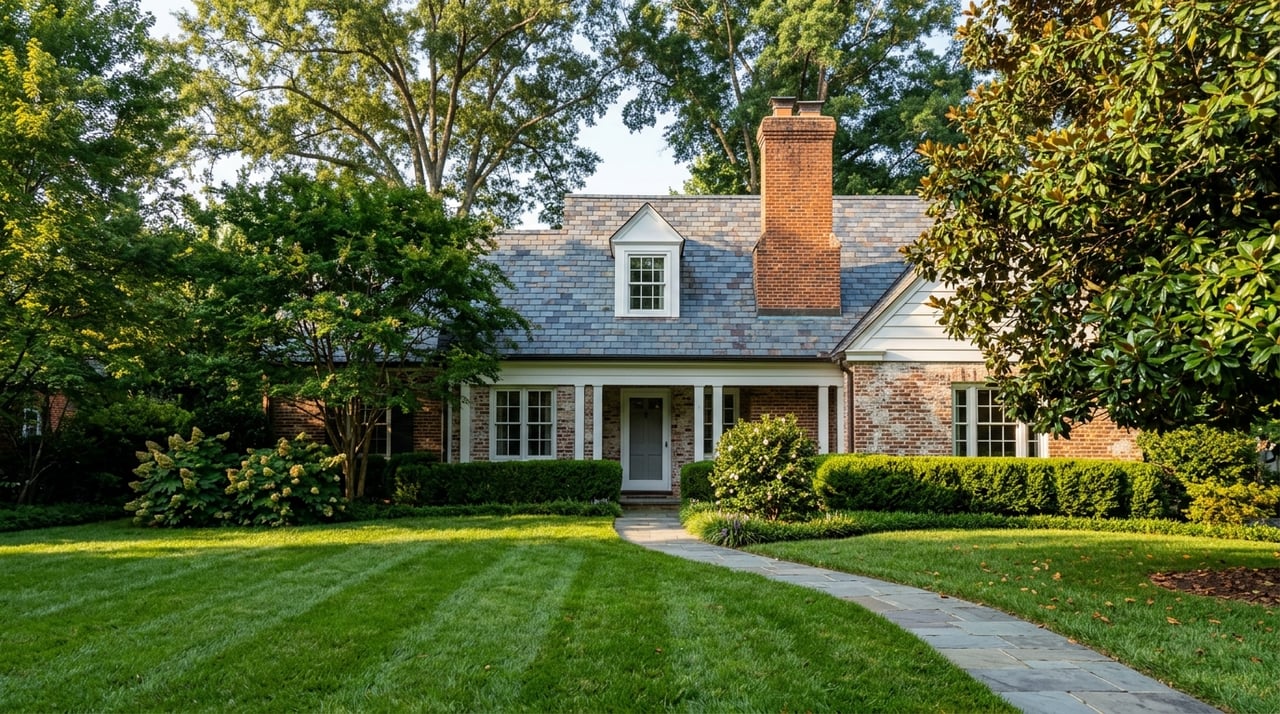
Peachtree Circle runs parallel to Peachtree Street between Beverly Road and 15th Street, a wide, tree-lined lane with an Olmsted-inspired landscape and homes dating to the turn of the twentieth century. It is also a street with a track record of extremes. Decades ago, neighbors saved the Randolph-Lucas-Jones House by physically moving it to Peachtree Circle rather than let it be demolished at its original site. This January, the opposite happened: 205 Peachtree Circle came down.
That demolition revived a push for historic district status that has failed twice before, most recently in 2022, when a lawsuit from a property rights advocate ended the effort. This time the proposal covers a single street rather than the whole neighborhood, and it has moved further than either previous attempt. It cleared the Ansley Park Civic Association, then NPU-E, then the Atlanta Zoning Review Board, all within the past few weeks. The Atlanta City Council is scheduled to cast the final vote at its meeting next Monday, August 24, or, if it slips, on September 8.
David Mitchell, executive director of the Atlanta Preservation Center, has been the most visible advocate, arguing that the street's architecture and landscape design mark a transition from streetcar-era living to the automobile age worth protecting for its own sake. Robert Reed, who directs the city's Historic Preservation Studio, has been careful to frame the process as one that needs real public input rather than a rubber stamp. Not everyone on the street agrees it should move forward as written. Peachtree Circle resident Drew Gandy, who supported an earlier neighborhood-wide historic district proposal, asked the zoning board for a sixty-day continuance to get an appraisal on how the narrower single-street designation might affect his property, saying his concerns are specific to how this version is structured rather than opposition to preservation itself.
Whatever the council decides this month, the fight itself tells you something about how this neighborhood processes change on its interior streets: slowly, publicly, and with real disagreement about who bears the cost.
What the Beltline Finished While Nobody Was Arguing
Compare that to what happened at Ansley Mall, the 1960s shopping center Selig Enterprises has owned since 1972 at the corner of Piedmont Avenue and Monroe Drive. For years, a pedestrian bridge sat fenced off behind the mall, built to connect it to the Beltline's Northeast Trail but never opened to the public. That changed on December 1, 2025, when the bridge finally opened. A week later, on December 8, Charleston-based Lewis Barbecue opened its first Georgia location right behind the mall, an 8,000-square-foot building topped with what its developers describe as the world's first rooftop smokehouse, a 1,600-square-foot deck overlooking the trail. The Charleston original had just earned a Bib Gourmand in the Michelin Guide to the American South, and pitmaster John Lewis told local reporters he had been scouting Atlanta locations for roughly six years before landing on this one.
There was no zoning fight over any of this that residents had to sit through in the same way. The mall's existing tenants, including The Cook's Warehouse, Ansley Wine Merchants, Brooklyn Bagel, and Bantam & Biddy, stayed put while the back of the property quietly turned into a genuine Beltline destination.
The same pattern shows up a short walk in the other direction, at Colony Square. Cuevacía, a heritage-driven Oaxacan restaurant, opened there on January 27, 2026, taking a former counter-service space with twelve-foot ceilings and turning it into a two-story, 2,000-square-foot full-service restaurant next to Brown Bag Seafood Co. And north along the Beltline corridor, Atlanta Beltline and Trees Atlanta announced the Beltline Arboretum in March 2026 at 12.44 miles, already billed as the world's longest linear arboretum, and by June it had grown to nearly 17 miles, with Trees Atlanta now running periodic tours through the Ansley Park section.
None of that required a City Council vote that residents needed to track. It just accumulated, one opening at a time, until the edge of the neighborhood looked nothing like it did before that bridge unlocked in December.
The Tour of Homes Already Noticed
The clearest evidence that this shift has actually registered with the people who run neighborhood events is the 2026 Ansley Park Tour of Homes itself, scheduled for Saturday and Sunday, October 3 and 4, with a Preview Party on Friday, October 2.
In past years, the Tour was eight houses and not much else. This year, the Ansley Park Civic Association built the weekend around the idea that the neighborhood is worth touring even in the parts that are not for sale. The Preview Party moved to the Goizueta Stage for Youth and Families at the Woodruff Arts Center, and it is already filled to capacity according to the Civic Association's own registration page. Ticket holders now get a behind-the-scenes visit to the Alliance Theatre from 10 a.m. to 1 p.m. both days, including the new PNC Play Space and a chance to watch the Atlanta Symphony Orchestra rehearse, something the Tour has never offered before. The Museum of Design Atlanta is open free to ticket holders both afternoons, with a guided tour at noon each day. And at 178 Fifteenth Street, one of the neighborhood's oldest homes, professional actors will stage twenty-minute historical vignettes about figures from Ansley Park's past, a first for the Tour.
Eight houses are still on the list, ranging across architectural styles and eras. But the Civic Association clearly decided this year that the houses alone no longer tell the whole story of what the neighborhood is. That decision mirrors exactly what has been happening at the edges all year: the neighborhood's identity is expanding past its historic residential core, even while that same core is fighting to hold its ground on one specific street.
A Fall Weekend, Mapped
If you are trying to plan around all of this, the next seven weeks compress a lot into a short window:
- August 24 or September 8: Atlanta City Council votes on the Peachtree Circle historic district.
- October 1: Scarecrows in the Garden opens at the Atlanta Botanical Garden for its 23rd year, running through November 1, closed Mondays.
- October 2: Ansley Park Tour of Homes Preview Party at the Woodruff Arts Center.
- October 3 and 4: Tour of Homes, eight residences plus the Alliance Theatre, MODA, and the 178 Fifteenth Street vignettes.
- October 10 and 11: Atlanta Pride's festival weekend fills Piedmont Park, with related programming across Midtown from October 8 through 12.
Layer the Beltline Arboretum and the new Ansley Mall restaurant row on top of that calendar and you get a neighborhood that is, at the same moment, protective of one street's architectural history and comfortable letting its commercial edges transform almost entirely.
That is not a contradiction. It is two different instincts operating on two different kinds of ground, and this fall happens to be the season when both come due at once. Whichever way the council votes this month, the Beltline bridge stays open and the smokehouse keeps running. The neighborhood gets to keep both arguments, which might be the most honest way to describe what living somewhere this established actually looks like day to day.
If you are watching either story unfold and have questions about how it connects to your own property or a move you are weighing down the road, Team Ellis has spent years tracking exactly this kind of neighborhood detail across Ansley Park and the rest of Intown Atlanta. Reach out any time you want a local read on what a change like this actually means for a specific block.