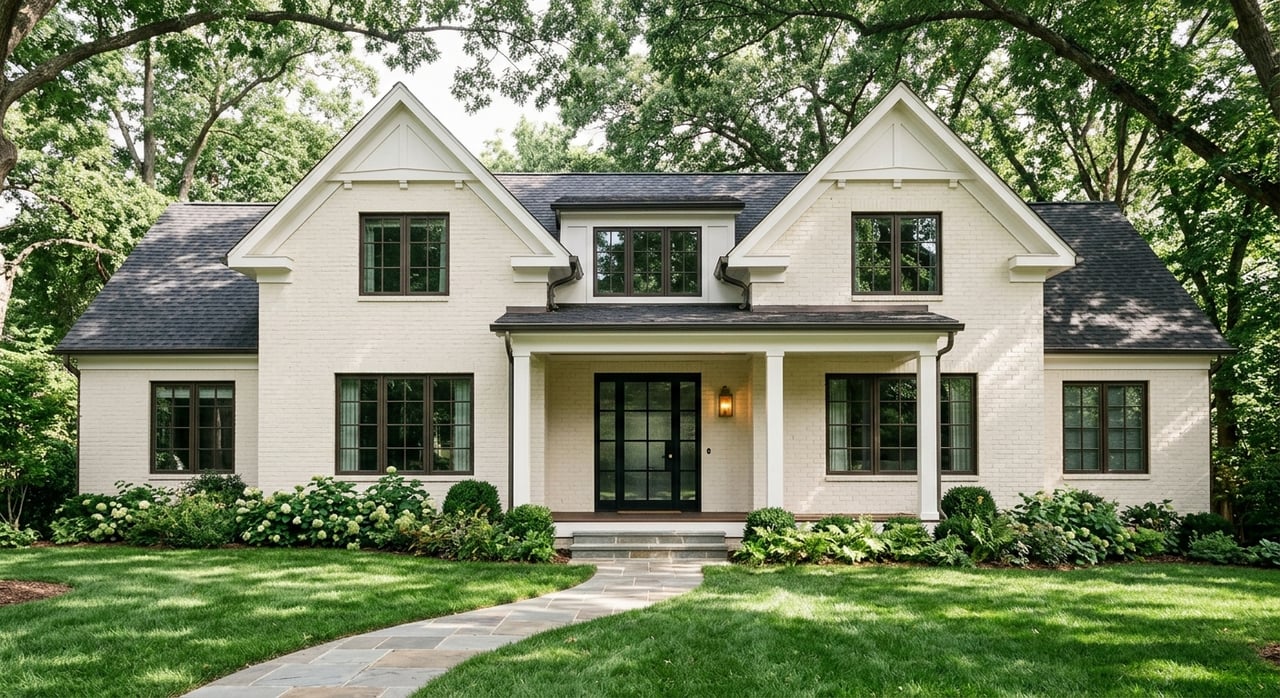
If you are searching for an Intown Atlanta neighborhood that feels established, social, and close to everything, Brookwood Hills is likely already on your radar. For many families, the appeal is easy to understand: historic homes, leafy streets, a well-known community club, and a location between Buckhead and Midtown. This guide will help you understand what Brookwood Hills is, what buyers usually love, and what you should verify before you make a move. Let’s dive in.
Why Brookwood Hills Stands Out
Brookwood Hills has a very specific identity in Atlanta. According to the Brookwood Hills Community Club history, the neighborhood was founded in 1922, retains much of its 1920s ambiance, and is listed on the National Register of Historic Places. It is also designated as a Conservation District within the City of Atlanta.
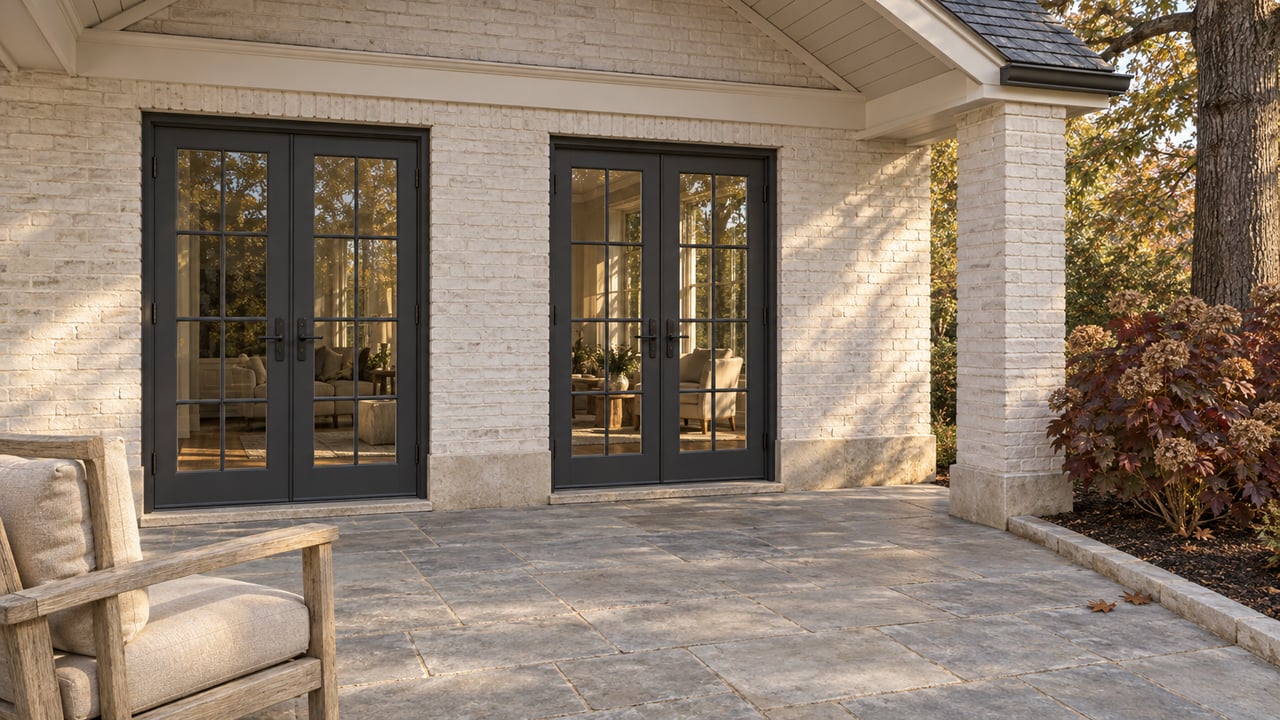
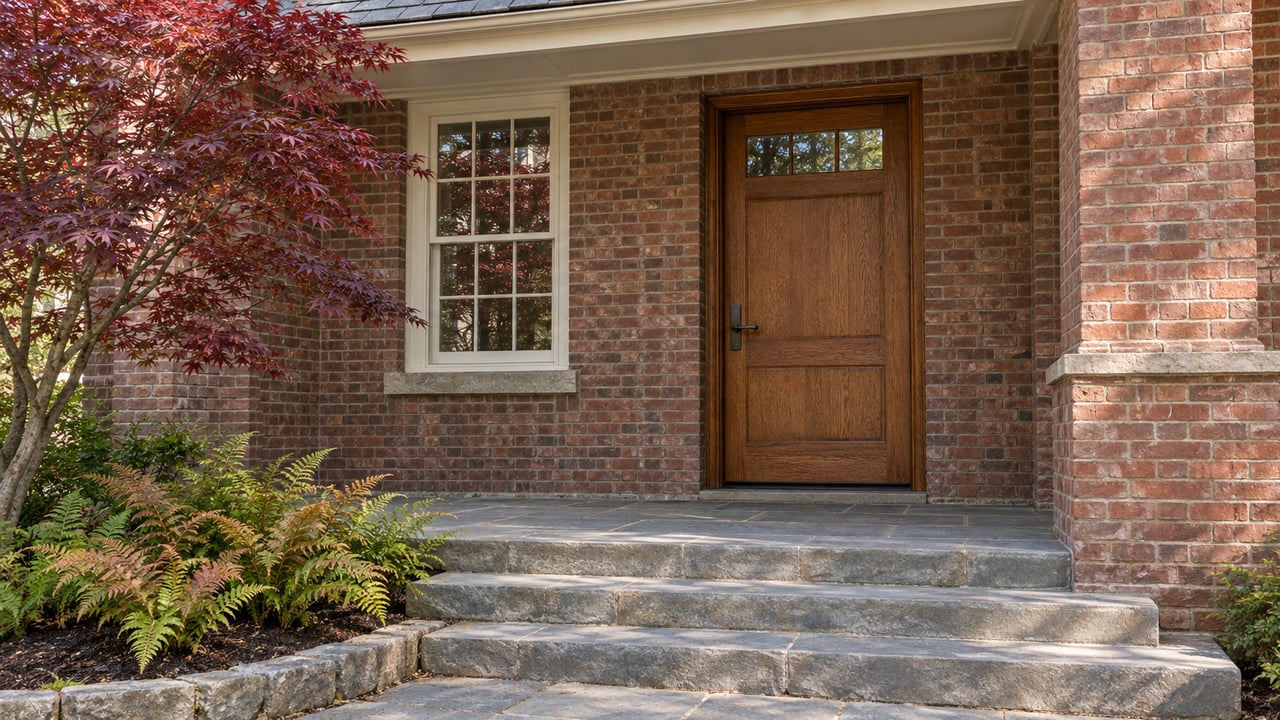
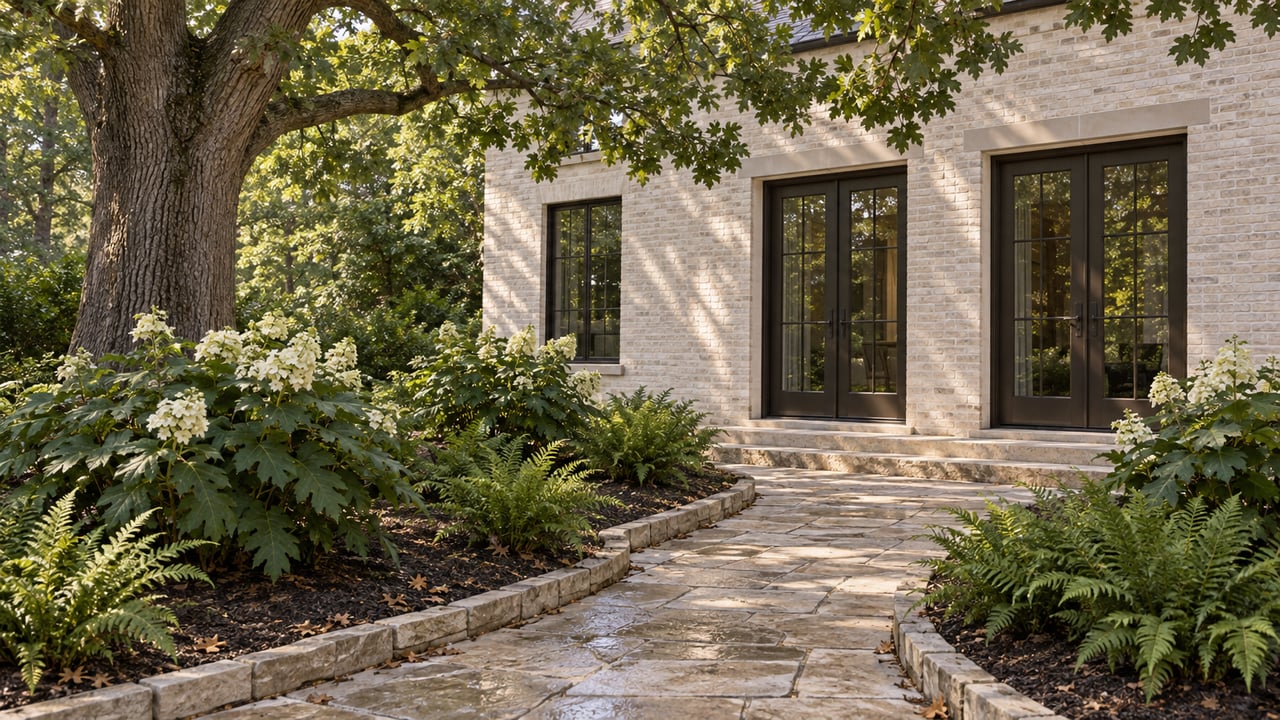
That matters if you want a neighborhood with a sense of continuity. Instead of feeling like a newer, master-planned area, Brookwood Hills offers a more established Intown setting shaped by mature trees, curving streets, and older homes with architectural variety.
For many buyers, that preserved character is the main draw. You are often choosing Brookwood Hills because you want history, location, and neighborhood identity, not because you want brand-new construction on a large suburban lot.
Location and Intown Convenience
One of Brookwood Hills’ biggest advantages is where it sits. The neighborhood is commonly described as being where Buckhead meets Midtown, giving you close-in access to major job centers, shopping, dining, and other Intown destinations, according to the community club’s historical overview.
For a family, that location can make day-to-day life simpler. You may be able to shorten commute times, stay closer to activities and appointments, and enjoy an Intown lifestyle without moving into a higher-density setting.
That said, close-in convenience often comes with tradeoffs. In Brookwood Hills, buyers should pay attention to exact property placement, especially if privacy, noise, or lot conditions are high priorities.
Historic Homes and Housing Style
Brookwood Hills is known for older housing stock and a neighborhood fabric that reflects one of Atlanta’s earlier suburban developments. The Brookwood Hills history page notes that this early development pattern is part of what gives the area its enduring appeal.
In practical terms, that means you are likely to see homes with character, but also homes that may require updates, renovations, or more detailed due diligence. Inventory can include properties that have been thoughtfully improved over time, as well as homes where buyers will need to budget for repairs or modernization.
If you love historic Intown properties, this can be a major advantage. If you prefer turnkey new construction, Brookwood Hills may feel more selective and less predictable than other options.
Community Life and Club Culture
For many families, the social life of Brookwood Hills is just as important as the homes themselves. The Brookwood Hills Community Club centers much of the neighborhood lifestyle around more than five acres of amenities that include a pool, park, tennis facilities, pickleball courts, a playground, social events, and security benefits.
The club also describes the community as having more than 1,200 members through its sponsorship information. That gives you a sense of how active and connected the neighborhood can feel.
If you are looking for a built-in social network, Brookwood Hills has a strong case. Swim team, tennis, pickleball, and recurring events can create an easier path to meeting neighbors and building routines around the community.
Membership Is Worth Verifying
If club access matters to your household, confirm the details before you buy. The club states that resident homeowners within neighborhood boundaries can apply for membership, while non-resident options are limited and waitlisted through its membership page.
That is an important distinction. Not every buyer should assume the same level of access, timing, or process, so it is smart to verify whether a specific property falls within the resident membership area and what current costs and availability look like.
What Families Should Know About Schools
School planning is one of the most common reasons families look closely at Brookwood Hills. Atlanta Public Schools says attendance zones are based on legal residence, and families should confirm zoning through the district’s School Zone Locator and school zones information.
Neighborhood materials commonly associate Brookwood Hills with the E. Rivers Elementary, Sutton Middle, and North Atlanta High pathway, and APS information for the North Atlanta region supports that general cluster pattern. Still, zoning should always be checked by exact address before you rely on it for a purchase decision.
For families interested in International Baccalaureate programming, this cluster often gets attention. APS notes on the E. Rivers International Baccalaureate page that E. Rivers continues into Sutton and North Atlanta within an IB continuum, with Sutton offering the Middle Years Programme in collaboration with North Atlanta and North Atlanta offering the IB Diploma Programme.
A Practical School-Zoning Tip
When you are comparing homes, verify school zoning early rather than late. In a small neighborhood where inventory can move selectively, it helps to confirm the address, cluster, and any school-related priorities before you get too deep into the decision-making process.
What the Market Feels Like
Brookwood Hills is best understood as a low-volume Intown market. The research suggests that public market snapshots vary widely, which is often a sign that there are not many transactions to average together in a given month.
That creates a challenge for buyers who want one simple number. Portal data can point in different directions, so headline median prices may not always reflect what a family searching for a detached home will actually encounter.
The more useful takeaway is this: desirable detached homes in Brookwood Hills often trade at premium price points, and buyers should be prepared for seven-figure pricing to be common. In a neighborhood with limited supply and distinct housing stock, context matters more than broad averages.
Why Data Can Look Inconsistent
When only a small number of homes sell, one or two outliers can change the story fast. That is why Brookwood Hills usually rewards a property-by-property approach instead of relying too heavily on national portal summaries.
If you are serious about the neighborhood, it helps to evaluate each listing based on lot, condition, renovation quality, location within the neighborhood, and access to the features you care about most. In a market like this, two homes with the same bedroom count can have very different value.
Key Tradeoffs to Check Before Buying
Every neighborhood has tradeoffs, and Brookwood Hills is no exception. For many families, the positives are strong enough to outweigh them, but you should still go in with clear eyes.
Here are a few things worth verifying during your search:
- Flood considerations: Some portions of the neighborhood may be more vulnerable to flooding, and outside research in the report also notes a moderate flood factor for Brookwood Hills.
- Road noise: Because of the nearby highway convergence, some homes may experience more traffic noise than others.
- Lot-specific conditions: Drainage, elevation, and natural buffers can vary a lot from one property to the next.
- Club eligibility: If the community club is part of the appeal, confirm whether the property is within the resident membership boundaries.
- Renovation scope: Older homes can offer charm and long-term upside, but they may also require more immediate work.
These are not reasons to avoid the neighborhood. They are reasons to look carefully at each address and make sure the home matches your priorities.
Is Brookwood Hills Right for Your Family?
Brookwood Hills tends to be a strong fit if you want a historic Intown neighborhood with mature landscaping, a close-in Buckhead and Midtown location, and a community culture built around swim, tennis, and social connection. It can also appeal to buyers who value established homes and are comfortable evaluating renovation potential.
The tradeoff is that the market is small, selective, and less standardized than larger neighborhoods. You may need patience while waiting for the right home, and when the right fit appears, you may need to move quickly and with confidence.
For many families, that balance is exactly the point. Brookwood Hills offers a specific lifestyle that can be hard to replicate elsewhere in Atlanta.
If you are weighing Brookwood Hills against other Intown neighborhoods, a tailored, address-specific strategy can save you time and help you focus on the homes that truly fit your goals. When you are ready for thoughtful guidance on Brookwood Hills or other Intown Atlanta options, connect with Adam Ellis.
FAQs
What is Brookwood Hills known for in Atlanta?
- Brookwood Hills is known for its historic character, tree-lined streets, older homes, and active community club with pool, park, tennis, pickleball, and social programming.
What schools are commonly associated with Brookwood Hills?
- Brookwood Hills is commonly associated with E. Rivers Elementary, Sutton Middle, and North Atlanta High, but Atlanta Public Schools says you should verify attendance zones by exact legal address.
What types of homes are common in Brookwood Hills?
- Brookwood Hills is known for older homes with architectural variety and renovation potential rather than large amounts of brand-new suburban-style housing.
What should buyers verify before purchasing in Brookwood Hills?
- Buyers should verify school zoning, club membership eligibility, flood and drainage conditions, possible road noise, and the renovation needs of any specific property.
Is Brookwood Hills a high-inventory neighborhood?
- No. Brookwood Hills is generally a low-volume market, which means inventory can be limited and pricing data may vary depending on how many homes have sold recently.