Looking for a neighborhood that feels tucked away but still keeps Buckhead close at hand? Peachtree Hills stands out for exactly that balance. If you love the idea of cottage-era charm, mature trees, and a location that makes it easier to enjoy both neighborhood life and city convenience, this is a place worth understanding more clearly. Let’s dive in.
Why Peachtree Hills Stands Out
Peachtree Hills has roots that go back more than a century. The neighborhood was subdivided from farmland in 1910 and officially designated in 1912, later growing as an early-20th-century streetcar suburb. That history still shapes how the area looks and feels today.
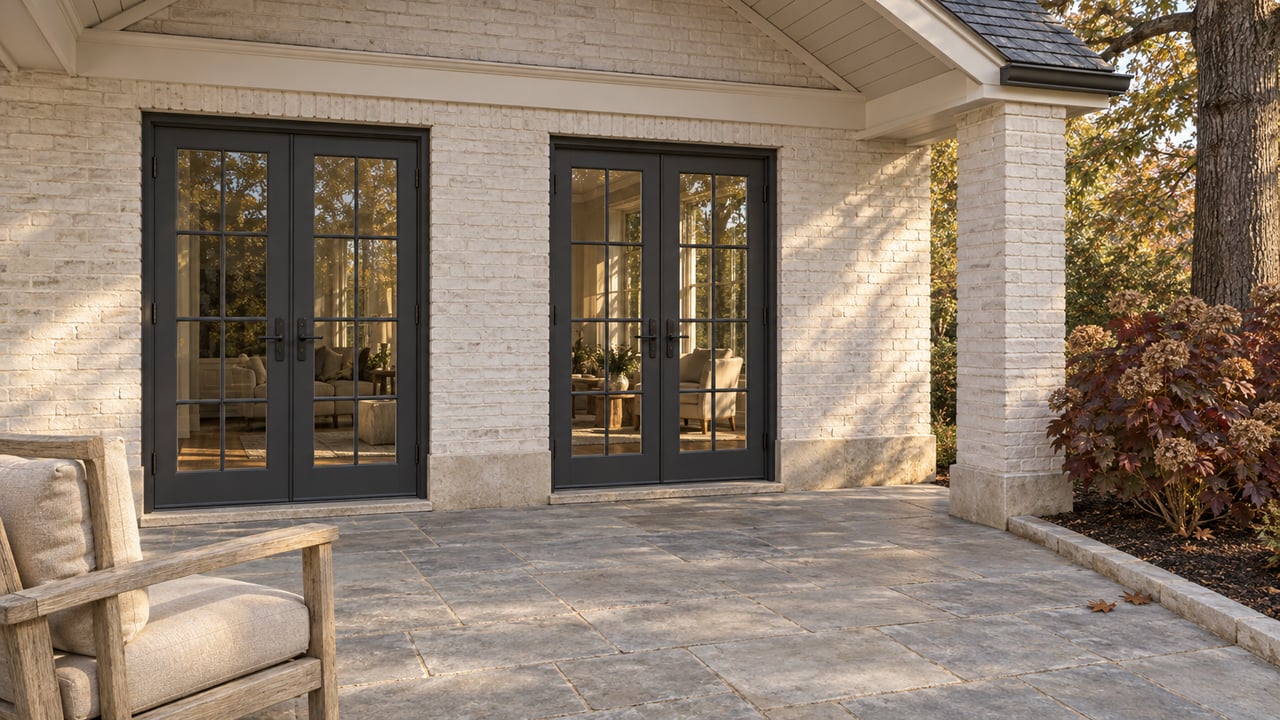
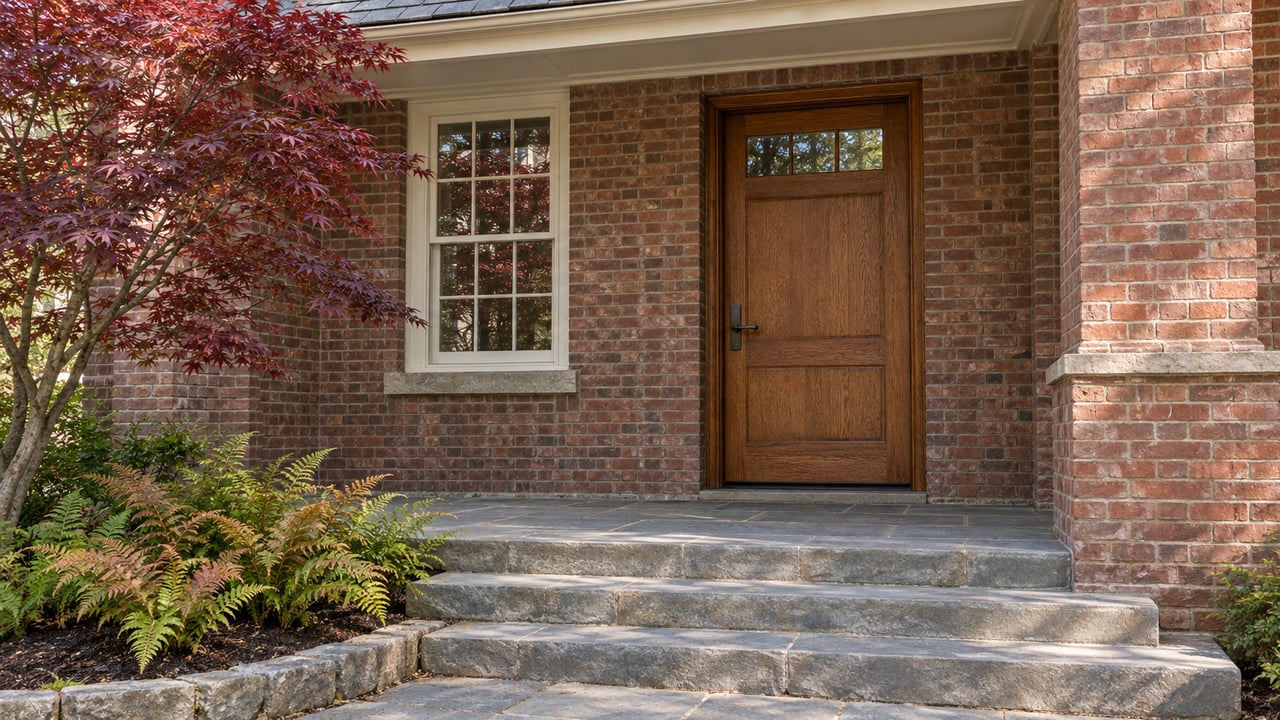
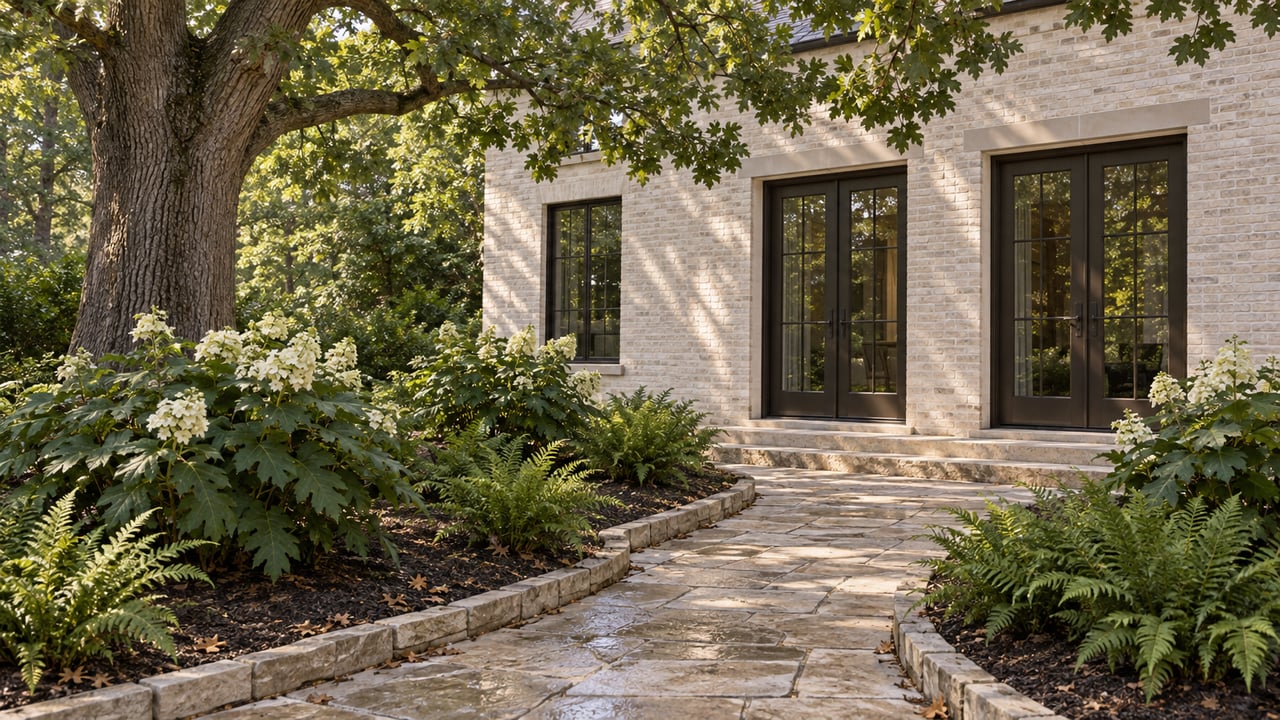
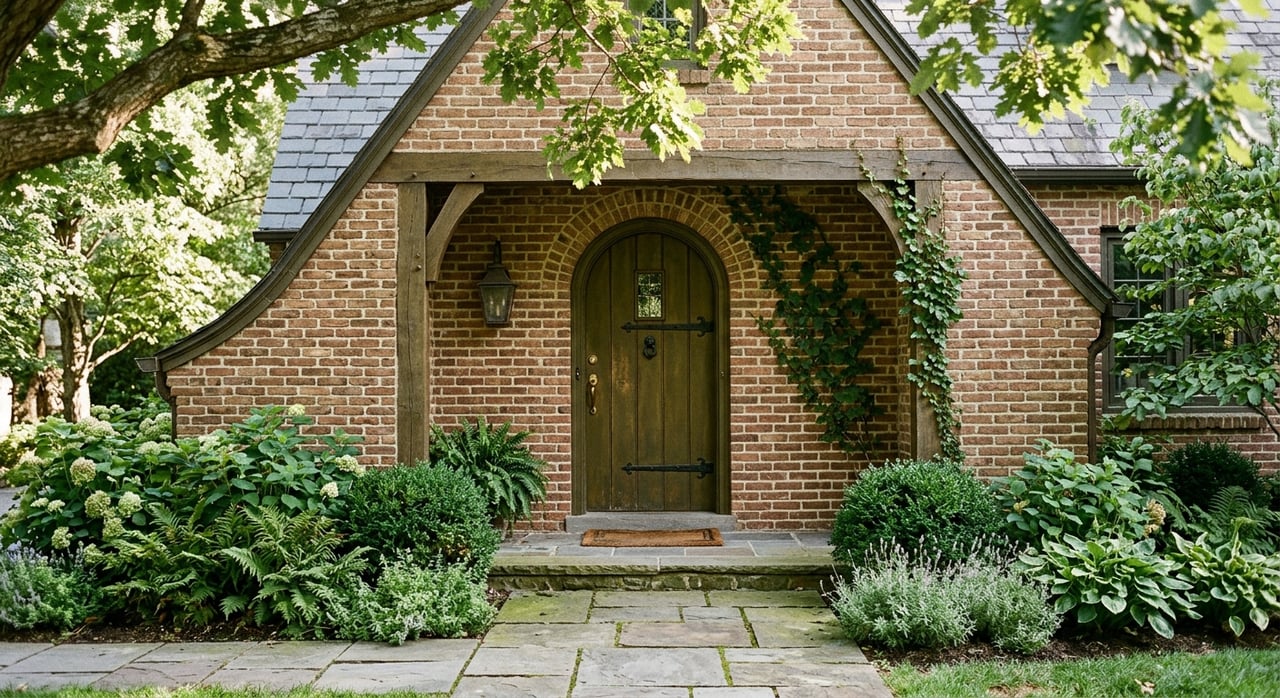
You can see that older pattern in the housing stock. The neighborhood is still known for small cottages, bungalows, and Craftsman-style homes set beneath a mature tree canopy. Even as Buckhead has grown around it, Peachtree Hills has held onto a distinct residential identity.
That blend is a big part of the appeal. You are not just buying into a Buckhead-adjacent address. You are buying into a neighborhood with a recognizable architectural story and a long-standing sense of place.
What Cottage Living Means Here
In Peachtree Hills, “cottage living” usually means charm over sprawl. Many homes reflect the neighborhood’s early development, so buyers should generally expect more modest lots, tighter setbacks, and a stronger focus on renovation quality and outdoor privacy than on large land holdings.
That does not mean the housing options are one-note. Recent sales show a mix of smaller condos and attached homes, mid-size renovated houses, and larger rebuilt residences. In practical terms, you may find everything from a classic bungalow with original character to a much larger home reworked for modern living.
This variety matters when you start your search. Two homes on nearby streets can offer very different layouts, finish levels, and expansion potential. In Peachtree Hills, the details of each property often matter as much as the overall neighborhood appeal.
Peachtree Hills Market Snapshot
As of May 2026, Redfin reported a median sale price of $748,248 in Peachtree Hills. Over the prior three months, homes took a median of 26 days to sell, and the market was described as somewhat competitive.
Those numbers suggest a neighborhood where buyers need to be prepared, but not necessarily rushed into every decision. Well-positioned homes can attract attention quickly, especially when they combine character, updates, and usable outdoor space.
For sellers, this mixed inventory creates both opportunity and strategy. A smaller cottage, a renovated bungalow, and a rebuilt home may all appeal to different buyer groups, which makes pricing, presentation, and positioning especially important.
Walkability and Daily Life
Peachtree Hills offers a lifestyle that many Intown buyers find appealing because it feels connected without feeling overly dense. Walk Score rates the neighborhood at 68 for walkability, 42 for transit, and 31 for biking, and ranks it as the 30th most walkable neighborhood in Atlanta.
In everyday terms, some errands can be done on foot, but many trips still work best by car. That balance can be attractive if you want some neighborhood convenience without relying on a fully car-free routine.
The neighborhood also has practical local amenities. The City of Atlanta lists both Peachtree Hills Recreation Center and Peachtree Hills Park at 308 Peachtree Hills Avenue NE, and the recreation center currently offers indoor pickleball among its activities.
PHCA also highlights community gardens, neighborhood events, and a security patrol as part of everyday life. For many buyers, those details help paint a fuller picture of what it feels like to live here beyond the walls of a home.
Access to Buckhead Amenities
One of Peachtree Hills’ biggest strengths is its location near major Buckhead destinations. Official sites identify Lenox Square on Peachtree Road NE, Phipps Plaza near the Lenox and Buckhead MARTA stations, and Buckhead Village District as a shopping, dining, and wellness destination in the heart of Buckhead.
That proximity gives you options. You can enjoy a neighborhood with older homes and a more tucked-in feel while still staying close to some of Atlanta’s best-known retail and dining areas.
For many buyers, that combination is hard to replicate. Peachtree Hills offers historic residential character, but it does not feel isolated from the activity and convenience that draw people to Buckhead in the first place.
Transit and Getting Around
Transit is available in and around Peachtree Hills, even if it is not the neighborhood’s defining feature. MARTA Route 23 serves the Peachtree Road and Buckhead corridor, and Lindbergh Center Station is a heavy-rail hub on the Red and Gold lines on the southern edge of Buckhead.
That setup can be useful if your routine includes commuting, airport trips, or regional access without driving every mile. At the same time, most buyers should still expect car use to remain part of daily life.
This is another reason Peachtree Hills appeals to a wide range of buyers. It offers more connectivity than a purely secluded residential pocket, while still preserving a quieter neighborhood feel.
Renovation and Rebuild Considerations
If you are drawn to Peachtree Hills for its architectural charm, you may also be thinking about renovation potential. That is a smart instinct, because this is a neighborhood where updates, additions, and rebuilds often shape long-term value.
The main due-diligence questions here usually involve slope, drainage, tree canopy, driveway grade, and whether an existing footprint can realistically support an addition or rebuild. The neighborhood’s hilly terrain and creek-adjacent bluffs are part of its appeal, but they also make parcel-by-parcel evaluation especially important.
City planning context matters too. Peachtree Hills is in Atlanta’s NPU-B, and the Peachtree Hills Civic Association notes its involvement in zoning requests, property variance approvals, and neighborhood recommendations. For buyers considering major changes, that is useful background before moving forward with plans.
The City of Atlanta provides zoning verification and property research tools for this kind of review. In a neighborhood like Peachtree Hills, careful homework can help you understand whether a home is best suited for light updates, a major renovation, or a longer-term rebuild strategy.
Community Character and Neighborhood Involvement
Peachtree Hills is not just defined by its homes. It also benefits from active neighborhood participation. The civic association was formed in 1987 to help preserve the neighborhood’s character as surrounding Buckhead continued to grow.
That kind of organization can matter more than buyers sometimes realize. It often signals that residents are engaged in how the neighborhood evolves, from events and shared spaces to planning conversations that affect the built environment.
PHCA also says its security patrol has been in place for decades and is staffed by off-duty and retired Atlanta police officers for roughly 40 hours per week. For buyers comparing Intown neighborhoods, that speaks to a well-organized community structure and a strong level of resident involvement.
Who Peachtree Hills May Suit Best
Peachtree Hills can be a strong fit if you want a home with character and do not need a large estate lot. It may also appeal to you if you value a mature residential setting, moderate walkability, and quick access to Buckhead shopping and dining.
It can be especially appealing if you enjoy the idea of comparing different property types within the same neighborhood. You may find a condo, a classic bungalow, a renovated cottage, or a rebuilt home, all within a relatively compact area.
The key is knowing how to evaluate the tradeoffs. In Peachtree Hills, buyers often weigh charm against square footage, location against driveway ease, and renovation opportunity against immediate move-in condition.
Final Thoughts on Peachtree Hills
A concise way to think about Peachtree Hills is this: it combines historic cottage-era character, moderate walkability, active neighborhood participation, and fast access to Buckhead conveniences. At the same time, it offers a housing stock where renovation and rebuild potential can vary widely from one property to the next.
If that combination sounds like your style, the right guidance can make a big difference. A neighborhood with this much variety rewards careful analysis, local context, and a close look at each home’s long-term potential.
If you are thinking about buying or selling in Peachtree Hills or anywhere nearby, Adam Ellis can help you navigate the market with local insight, thoughtful strategy, and a personalized approach.
FAQs
What kind of homes are common in Peachtree Hills Atlanta?
- Peachtree Hills is known for cottages, bungalows, and Craftsman-style homes, along with a mix of condos, attached homes, renovated houses, and larger rebuilt residences.
How competitive is the Peachtree Hills real estate market?
- As of May 2026, Redfin reported a median sale price of $748,248, a median of 26 days on market over the prior three months, and described the neighborhood as somewhat competitive.
How walkable is Peachtree Hills in Atlanta?
- Walk Score rates Peachtree Hills at 68 for walkability, which suggests some errands can be done on foot, though many daily trips still benefit from a car.
What amenities are near Peachtree Hills?
- Nearby conveniences include Peachtree Hills Park, Peachtree Hills Recreation Center, Buckhead shopping and dining destinations, and access to MARTA bus and rail connections.
What should buyers check before renovating a Peachtree Hills home?
- Buyers often look closely at slope, drainage, tree canopy, driveway grade, and whether the existing footprint can support an addition or rebuild, along with zoning and property research through the City of Atlanta.