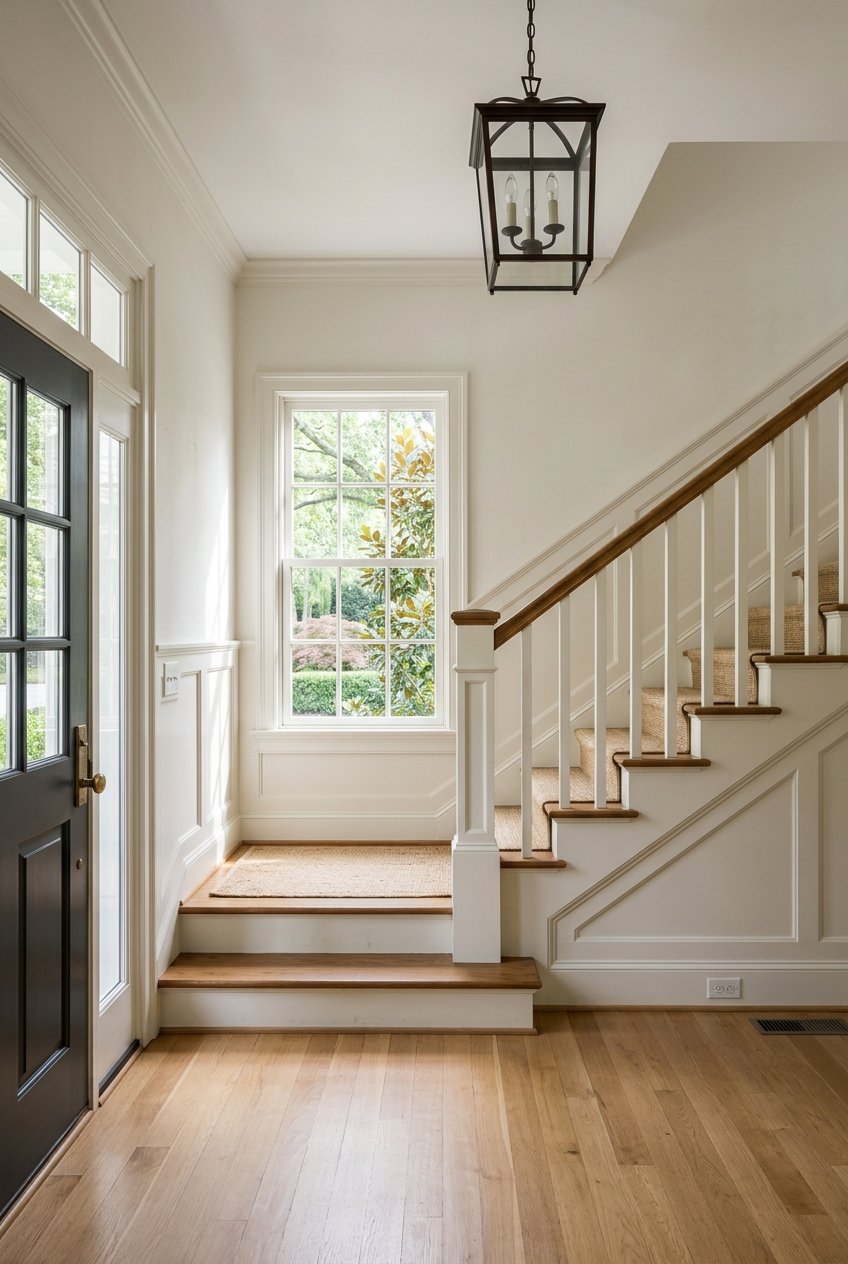
Dreaming about a historic home in Druid Hills? You are not alone. The neighborhood’s curving roads, mature canopy, and early 20th-century architecture can make a house hunt here feel both exciting and a little more complex than a typical purchase. If you are considering buying in this part of DeKalb County, it helps to understand what makes these homes special, what local rules can affect future plans, and where older-house risks may show up. Let’s dive in.
Why Druid Hills homes stand out
Druid Hills holds a distinct place in Atlanta’s history. The National Park Service describes it as Atlanta’s first suburb, completed in 1905, with a plan shaped by Frederick Law Olmsted and his sons. That planning legacy still shows up today in the neighborhood’s curving roads and respect for the natural topography.
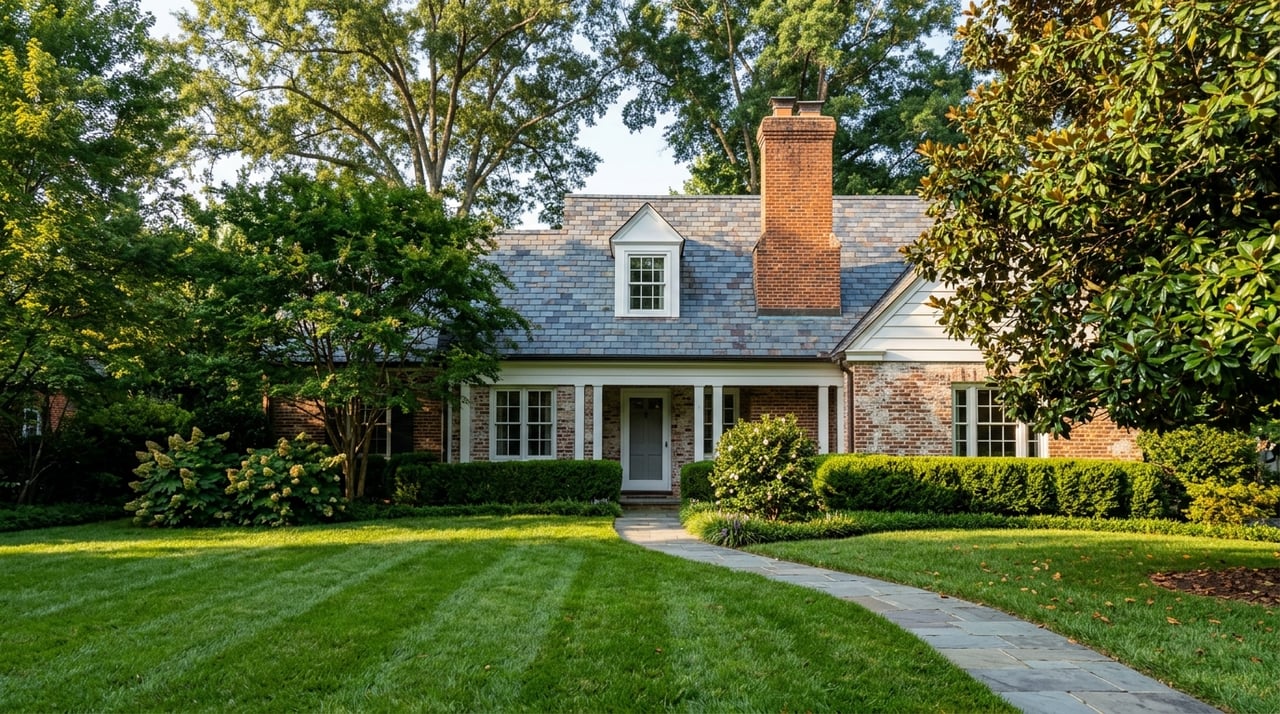
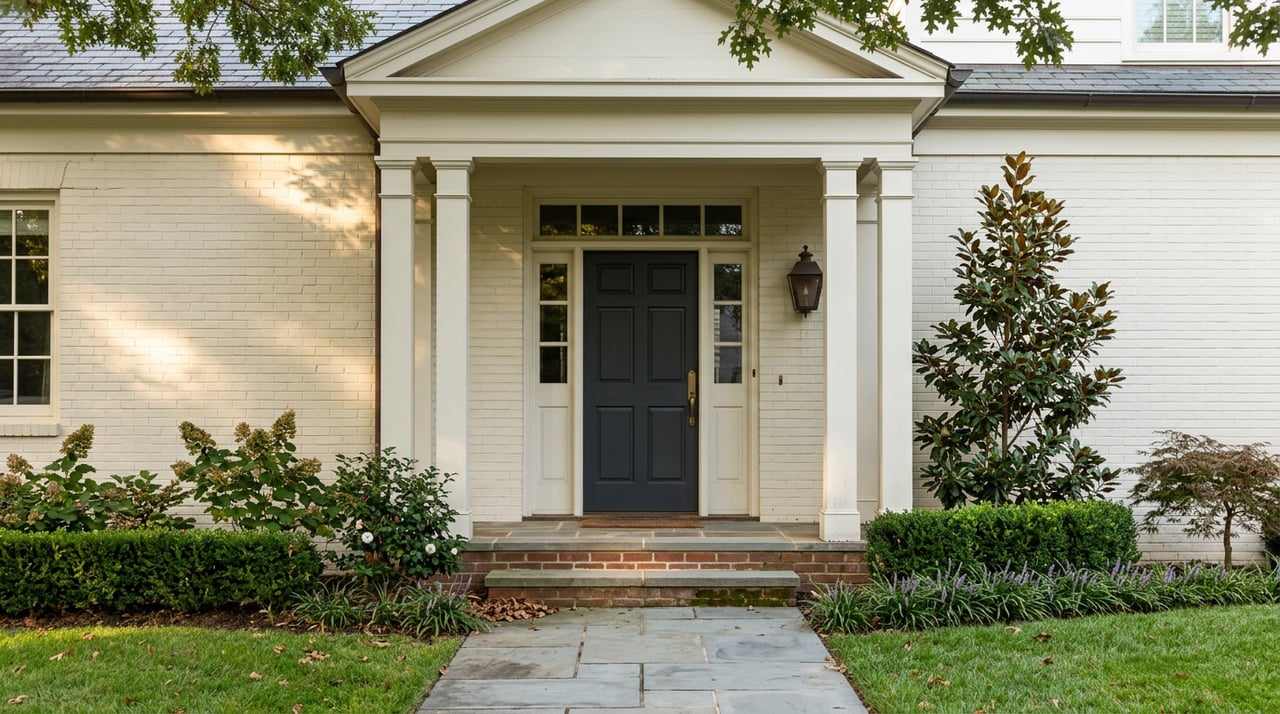
You can also see that history in the homes themselves. DeKalb County identifies a strong collection of period-revival architecture built mainly from the 1910s through the 1930s. Styles in the district include Colonial Revival, Neoclassical Revival, Spanish Colonial Revival, Mediterranean Revival, Italian Renaissance Revival, English Vernacular Revival, and later Craftsman influences.
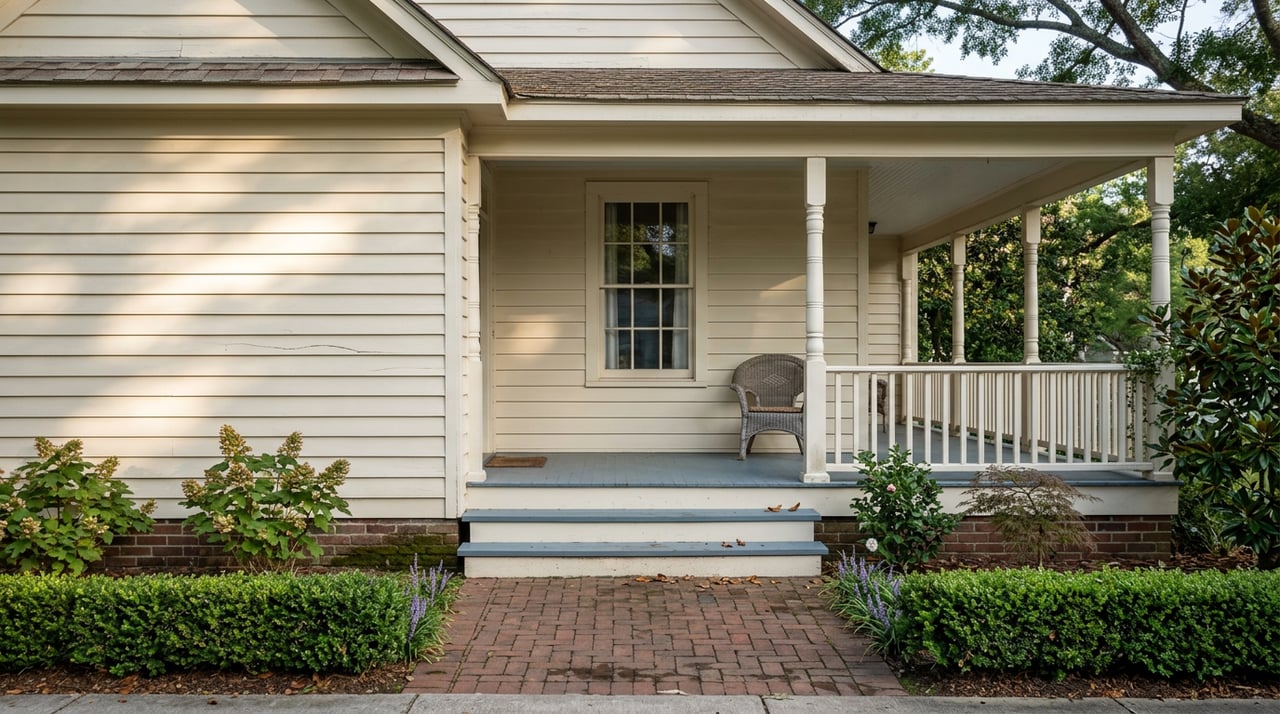
For buyers, that means you are often looking at homes with real architectural identity, not interchangeable floor plans. Rooflines, façade details, materials, and siting all tend to matter more here. The setting matters too, with wide open spaces and a mature hardwood canopy helping define the neighborhood’s character.
Know which jurisdiction applies
One of the most important things to understand before you buy is that Historic Druid Hills crosses more than one jurisdiction. Most of the neighborhood is in unincorporated DeKalb County, while districts 1 and 4 are in the City of Atlanta. That can affect which rules apply to your property.
In practical terms, two homes that seem close together may have different approval paths for exterior work. Before you plan a renovation, addition, or major landscape change, you need to confirm whether the parcel falls under DeKalb County rules or the City of Atlanta ordinance. This is one of the first due diligence items that can save you time, money, and frustration.
What renovations may need approval
If you love the idea of personalizing a historic home, the good news is that preservation rules are meant to allow compatible improvements. They are not designed to keep a property frozen in time. Still, exterior changes in Druid Hills often require review before work begins.
In DeKalb County local historic districts, a Certificate of Appropriateness is required before exterior alterations, construction, or demolition. The county’s standards focus on scale and massing, architectural details, materials, roof forms, and streetscape.
In Atlanta’s Druid Hills Landmark District, a COA is also required for proposed development, new construction, additions, alterations, or demolition. The ordinance emphasizes preserving historic character and architectural scale.
The level of review can be very specific. Atlanta’s ordinance treats in-kind repair or replacement of roofing, windows, and exterior doors differently from larger façade changes, new principal structures, lot replatting, or demolition of contributing structures.
Projects that commonly trigger review
If you are buying with renovation plans, these are the types of projects that typically deserve an early rules check:
- Exterior alterations
- Additions
- New construction
- Demolition
- Major visible landscape changes
- Many tree removals
- Façade changes
- Changes to roof forms, materials, or massing
A smart strategy is to assume visible exterior work may need review unless you confirm otherwise for your specific property. That is especially true in a neighborhood where architectural consistency and streetscape character are part of what buyers value.
Trees and landscape matter here
In Druid Hills, the landscape is not just background. It is part of the historic character that local rules are designed to protect. That matters if you are buying a home with long-term plans for clearing, regrading, or reshaping the yard.
In Atlanta’s district, removing trees that are 6 inches DBH or larger generally requires a COA unless the tree is dead, dying, hazardous, or under 6 inches DBH. Approved removals also require replacement planting.
In DeKalb County, a Notice of Tree Removal is required for more than five healthy trees or specimen trees. Dead, diseased, or hazardous trees may be removed without notice when documented by a certified tree professional.
If a lush lot is part of what draws you to Druid Hills, it is worth treating the trees as a meaningful part of your purchase decision. They contribute beauty and privacy, but they can also shape future design and maintenance choices.
Inspection priorities for older homes
Historic homes can be deeply rewarding to own, but they usually demand a more careful inspection mindset. A standard home inspection is visual and non-invasive, and it should cover the structure, exterior, roof, plumbing, electrical systems, heating and air conditioning, interiors, ventilation and insulation, and fireplaces.
For older Druid Hills homes, some issues deserve extra attention because they can affect both livability and cost. Common concerns in older houses include foundation or structural issues, drainage problems, faulty wiring, HVAC issues, and missing safety equipment.
Areas to watch closely
When you tour and inspect a historic property in Druid Hills, pay close attention to:
- Water intrusion
- Site grading and drainage
- Roof age and condition
- Gutters and downspouts
- Crawlspace or basement moisture
- Electrical system condition
- Plumbing system condition
- HVAC performance and age
Moisture deserves special focus. Mature landscaping, older foundations, and long-term wear can combine to create hidden water issues. A beautiful exterior does not always tell you what is happening in the crawlspace, basement, or behind walls.
Electrical systems also matter more than many buyers expect. Older homes may have aluminum wiring or dated electrical panels, and wiring issues can affect insurability. That makes electrical review important not just for safety, but for the practical side of owning and protecting the property.
Lead paint should be part of your plan
Because so much of Druid Hills housing stock is older, lead-based paint is a real consideration for both purchase and renovation planning. The EPA says 87% of homes built before 1940 contain some lead-based paint, and homes built before 1978 are more likely to have it.
Before closing on most pre-1978 housing, sellers and landlords must provide disclosure of known lead-based paint information. For buyers, that means you should review those disclosures carefully and think ahead about any work you may want to do after closing.
If paid contractors will disturb painted surfaces in a pre-1978 home, EPA renovation rules require lead-safe work practices. Even if your immediate plan is cosmetic, an older home purchase is smoother when lead-safe renovation planning is part of the budget discussion from the start.
How to balance charm and modern living
Many buyers worry that choosing a historic home means giving up functionality. In Druid Hills, that is not necessarily the case. The preservation framework is intended to preserve character while allowing compatible improvements.
The best approach is usually to protect the exterior elements that define the home’s historic presence while making thoughtful upgrades to systems and interior function. In practice, that often means preserving items like roof forms, façade composition, materials, massing, and landscape features visible from the street.
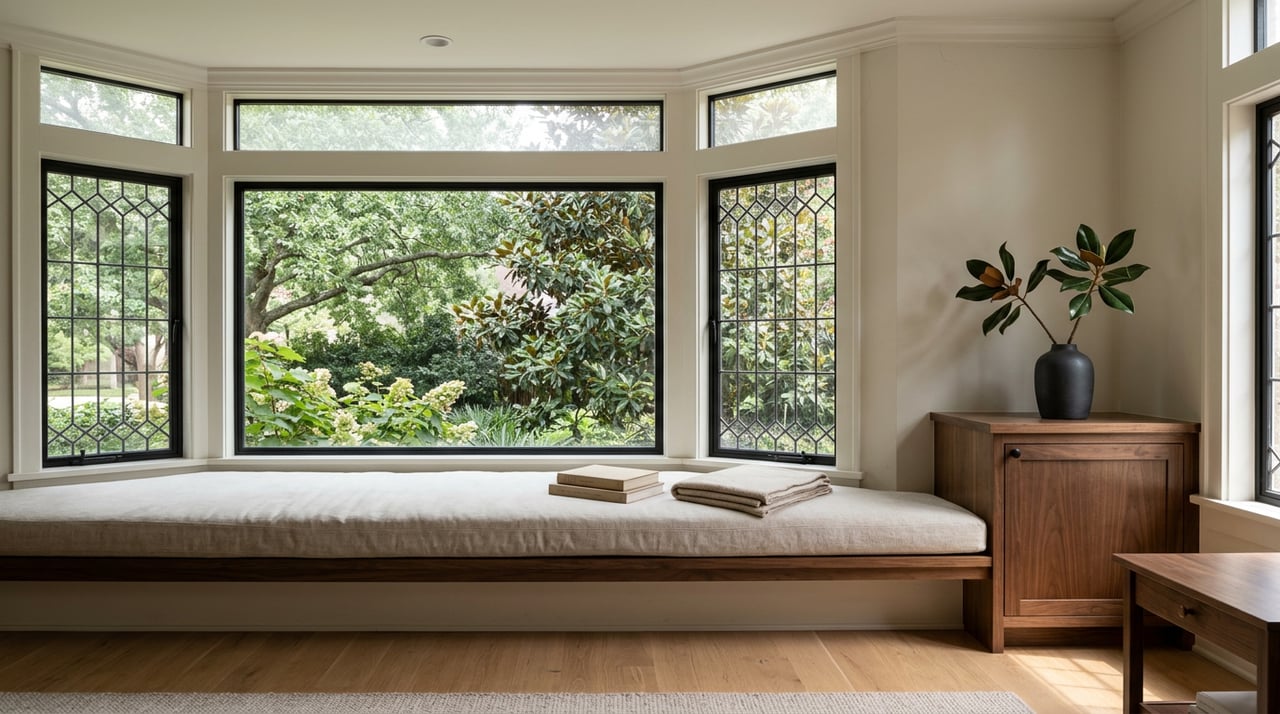
Inside the home, your planning can focus on how the house needs to work for your life today. Better flow, updated mechanical systems, improved storage, and kitchen or bath improvements may all be possible, provided the overall work respects the home’s defining character and any required review process.
A practical buyer mindset
If you are serious about buying in Druid Hills, it helps to think in two tracks at once:
- What gives the house its lasting character
- What can be improved for comfort and function
That mindset can help you avoid overreacting to cosmetic age while also staying realistic about cost, approvals, and timelines. In a neighborhood like Druid Hills, the right house is often the one where you can appreciate both history and possibility.
Why expert guidance matters
Buying a historic home in Druid Hills is rarely a plug-and-play transaction. You may need to evaluate architectural significance, review jurisdiction-specific preservation rules, and look more carefully at condition issues than you would in a newer home.
That is where local guidance becomes especially valuable. A thoughtful buying strategy can help you narrow in on homes that fit your lifestyle, flag approval issues early, and weigh whether a property’s charm matches the level of work it may require.
With historic Intown properties, details matter. The more clearly you understand the house, the lot, and the rules that shape future changes, the more confident your decision can be.
If you are exploring historic homes in Druid Hills and want experienced, high-touch guidance through the process, Adam Ellis can help you evaluate opportunities with clarity and care.
FAQs
What makes historic homes in Druid Hills different from other Intown Atlanta homes?
- Druid Hills is known for its early 20th-century planning, curving roads, mature canopy, and a large collection of period-revival homes from the 1910s through the 1930s.
What renovations on a Druid Hills historic home may need approval?
- Exterior alterations, additions, demolition, new construction, major landscape changes, and many tree removals may require local review, depending on whether the property is in DeKalb County or the City of Atlanta.
What should buyers inspect carefully in an older Druid Hills home?
- Buyers should pay close attention to water intrusion, drainage, roof condition, gutters, crawlspace or basement moisture, and the condition of electrical, plumbing, and HVAC systems.
What should buyers know about trees on a Druid Hills property?
- Trees are part of the neighborhood’s protected historic character, and removal rules can apply based on the property’s jurisdiction, tree size, and condition.
Can a historic home in Druid Hills still be updated for modern living?
- Yes, compatible improvements are generally allowed, especially when you preserve character-defining exterior features and plan interior or system upgrades thoughtfully.
Why is lead paint a concern when buying an older Druid Hills house?
- Many homes in the area were built before 1978, which means lead-based paint may be present and should be considered in disclosures, budgeting, and renovation planning.