If you own a historic home in Ansley Park, you are not just selling square footage. You are selling craftsmanship, setting, and a piece of Atlanta history. That can feel like a lot to balance when you want a strong sale without stripping away the details that made you love the home in the first place. The good news is that with the right preparation, you can protect the home’s character and still position it for today’s luxury buyer. Let’s dive in.
Why Ansley Park needs a different sales approach
Ansley Park is not a typical in-town neighborhood, and buyers know it. According to the National Register nomination for the district, the neighborhood spans roughly 275 acres with about 600 houses and was developed between 1904 and 1913. Its curving streets, irregular parks, and wide range of architectural styles are part of what makes it stand out.
That matters when you sell. In Ansley Park, the setting is part of the appeal just as much as the home itself. The same National Register record notes that the neighborhood plan responds to rolling topography, with streets and green spaces shaped by the land, so buyers are often responding to the broader experience of the property, not just the floor plan.
There is also a clear preservation context in the neighborhood today. In its October 2025 updates, Atlanta’s Department of City Planning said the Ansley Park Neighborhood Conservation Study was officially adopted, reinforcing the local focus on preserving the area’s low-density residential character and distinctive street pattern.
Lead with stewardship, not just upgrades
When you market a historic Ansley Park home, the story should not be “old house with new finishes.” It should be a stewardship story. Buyers at this level often want to understand what has been preserved, what has been improved, and whether those choices respected the home’s original character.
The National Register nomination gives sellers a strong foundation for this type of storytelling. It highlights the architectural significance of the district and references notable designers including Neel Reid, Philip T. Shutze, Anthony Ten Eyck Brown, Walter T. Downing, and Henry Hornbostel when those connections are documented. If your home has a known design pedigree, that should be presented clearly and accurately.
Even if the architect is unknown, provenance still matters. A thoughtful listing can explain the home’s period style, its relationship to the lot and streetscape, and the details that make it distinct. That kind of context helps your home feel meaningful rather than merely dated.
Protect the details buyers notice
A historic home’s value is often tied to the details that make it feel authentic. Preservation guidance from the Whole Building Design Guide explains that character-defining features can include massing, materials, craftsmanship, decorative details, interior spaces, site, and environment. It also points to specific elements such as fireplaces, paneling, hardware, flooring, cornices, and baseboards.
For sellers, that means prep work should start with identification, not replacement. Before you repaint, refinish, remove, or modernize, it helps to understand which features carry the home’s visual and historic weight. Original windows, trim profiles, stair details, millwork, and even room proportions can matter more to a buyer than one more trend-driven finish.
It is also worth remembering that not every meaningful feature has to be original to the day the house was built. The National Park Service notes that later materials, features, and spaces can also become character-defining, and some changes may have historic significance in their own right. If your home has a later addition or remodel that has become part of its story, do not assume it should be erased.
Make updates feel quiet and intentional
Most luxury buyers still want comfort, efficiency, and move-in readiness. The key is to present those improvements in a way that supports the home’s architecture rather than competing with it.
In practice, the updates that tend to work best are the quiet ones. Kitchens, baths, HVAC, insulation, lighting, and roof work can improve function and confidence without changing the home’s proportions or concealing defining details. The goal is not to make the house feel brand new. The goal is to make it feel well cared for.
That same mindset should guide pre-listing decisions. If a renovation covers original millwork, changes the scale of historic rooms, or introduces finishes that feel disconnected from the architecture, it can weaken the story you are trying to tell. In a neighborhood like Ansley Park, restraint is often a strength.
Know the difference between historic status types
One of the most important steps before listing is understanding how your property is classified. A home may sit within a National Register district, be locally designated, or both, and those are not the same thing.
The National Park Service FAQ explains that National Register listing by itself places no federal restrictions on what a non-federal owner may do with the property. But Atlanta’s historic preservation homeowner resources state that exterior work on a locally designated historic property requires a Certificate of Appropriateness before permits are issued.
That distinction matters for sellers because buyers often ask what they can and cannot change. If your home is locally designated, it is smart to gather any past approvals for exterior work and be prepared to explain the process at a high level. The city also notes that applicants are strongly encouraged to meet with the neighborhood organization before any public hearing, and even solar installations on designated properties require a Certificate of Appropriateness.
Organize disclosures before you go live
Historic homes reward good documentation. A clean disclosure file builds trust, reduces confusion, and gives buyers a clearer sense of how the home has been maintained.
Under Georgia broker law, sellers and brokers must disclose actual known adverse material facts about the property and improvements, including material defects, environmental contamination, and known adverse physical conditions in the immediate neighborhood that a buyer could not discover through diligent inspection. That standard makes preparation especially important when a home has older systems, prior repairs, or a long ownership history.
For many Ansley Park homes, lead-based paint disclosure will also apply. Federal law requires sellers of pre-1978 homes to disclose known lead-based paint hazards and provide the EPA/HUD lead pamphlet before sale. Given the neighborhood’s early twentieth-century housing stock, this is often part of the transaction.
A practical seller file should include:
- Known defects and repair history
- Approximate ages of major systems
- Roof, HVAC, plumbing, and electrical updates if known
- Warranties or invoices for recent work
- Any exterior review approvals if the property is locally designated
- Lead-based paint disclosures when required
If questions arise about issues Georgia law treats differently, accuracy still matters. For example, Georgia law says there is no cause of action for failing to disclose certain deaths or disease-related occupancy, but if asked directly, an owner or broker must answer truthfully to the best of their knowledge.
Price for the neighborhood, not the city
Ansley Park operates in a different market tier than Atlanta overall, so generic citywide numbers can only tell you so much. In February 2026, Redfin reported Atlanta’s median sale price at $392,585, while Ansley Park’s median sale price was reported at $1.7 million. That gap alone shows why neighborhood-specific pricing matters.
For a historic property, pricing should lean on the factors buyers in this market actually weigh. Those often include architectural integrity, lot size, location within the neighborhood, renovation pedigree, level of maintenance, and scarcity. A beautifully preserved home with thoughtful updates may compete very differently than a similarly sized home that has lost key details.
This is also where presentation and pricing work together. If buyers can clearly see what is original, what has been restored, and how the home has been cared for, they are often better able to understand value.
Stage to reveal architecture
Historic staging should support the house, not overpower it. In the National Association of Realtors 2025 staging survey, 83% of buyers’ agents said staging made it easier for a buyer to visualize a property as a future home. The same survey found that photos, physical staging, videos, and virtual tours were all rated highly important.
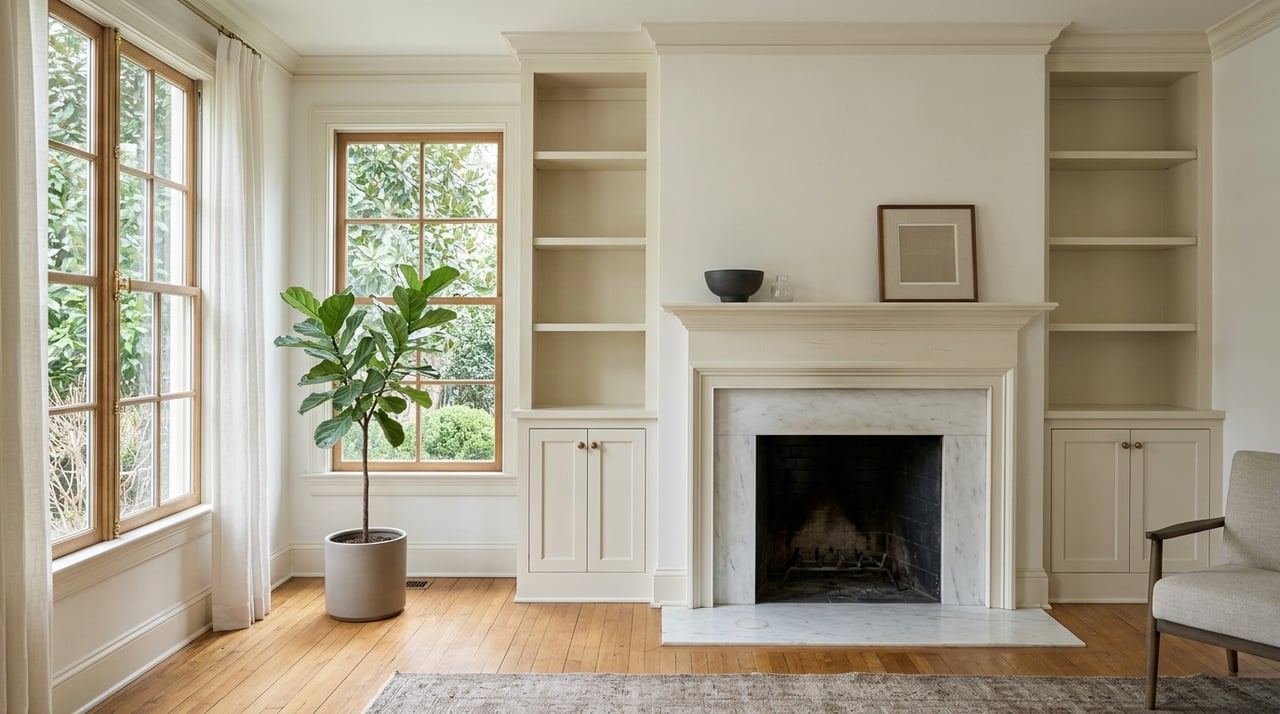
For an Ansley Park listing, that does not mean filling every room. It usually means a restrained, polished approach that lets fireplaces, windows, ceiling heights, stair halls, and millwork do their job. The living room, primary bedroom, and kitchen are often the most important rooms to stage because they help buyers connect everyday function with historic character.
The best staging choices create scale and warmth without distracting from the architecture. Clean sightlines, edited furnishings, and materials that feel calm and timeless usually work better than heavily themed decor.
Photograph the home and its setting
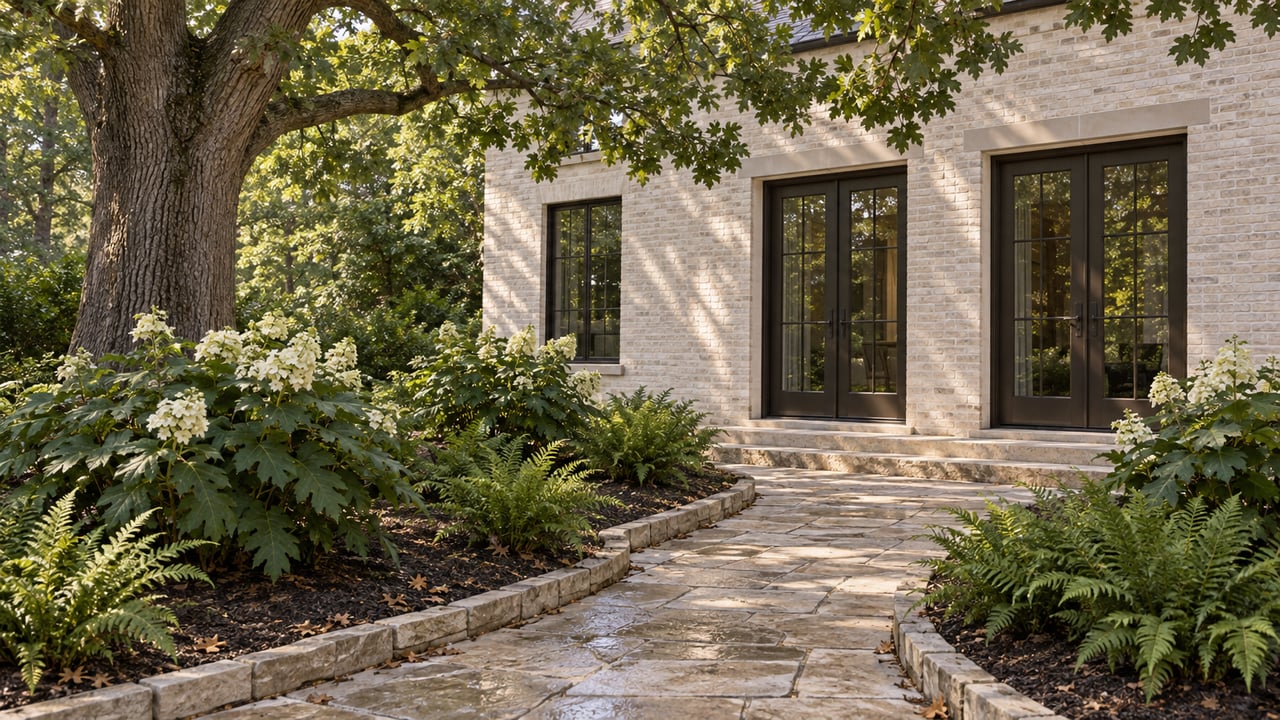
In Ansley Park, photography should capture more than interiors. The neighborhood’s curving streets, mature landscape, porches, and site relationships are part of the buyer experience, and your visual marketing should reflect that.
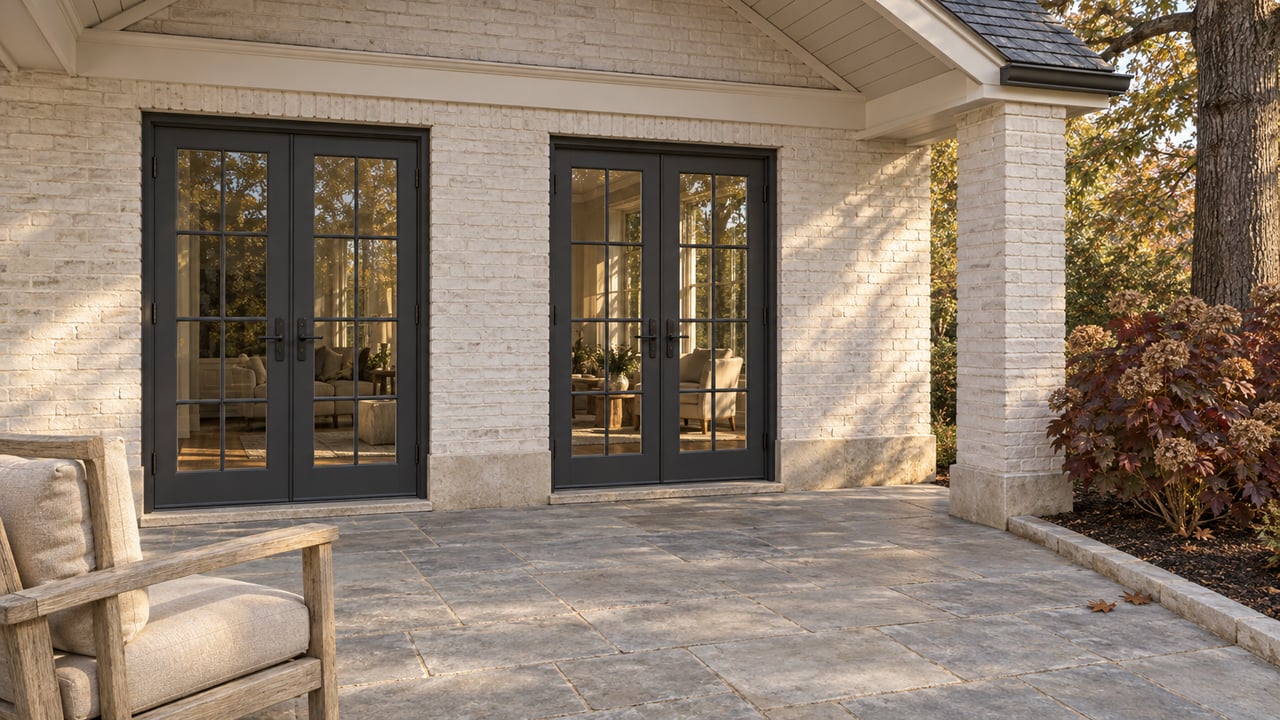
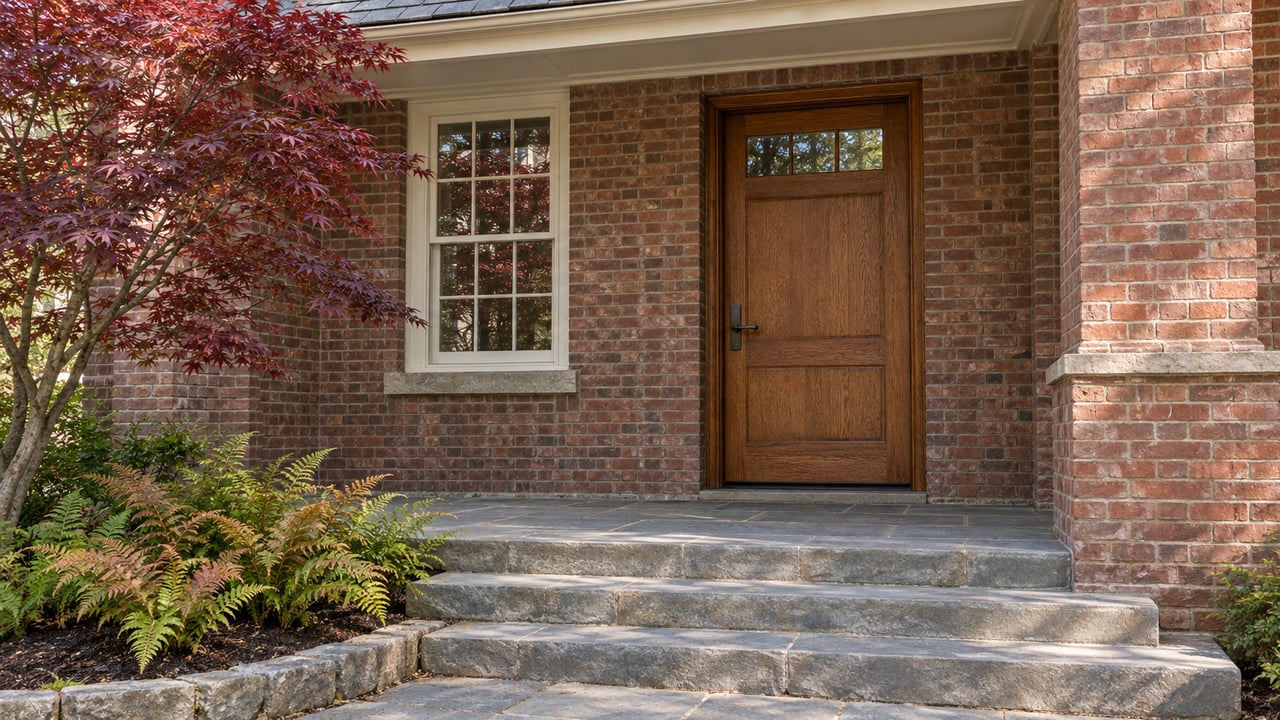
This is especially true for homes whose appeal begins before the front door. Approach shots, garden views, window lines, terraces, and the relationship between the house and the lot can all help explain why the property is special. In a preservation-minded neighborhood, the exterior context is not filler. It is part of the value story.
The written narrative should support those visuals. Strong historic-home marketing explains what is original, what was restored, what was replaced, and why updates were made. That kind of clarity helps modern buyers appreciate the home without flattening its character into a generic luxury listing.
A preservation-first sale can still be a strong sale
Selling a historic Ansley Park home without losing its soul starts with respect for what makes the property distinct. When you combine careful prep, accurate documentation, neighborhood-specific pricing, and high-end visual marketing, you give buyers a reason to value the home for more than its age or address.
That is where white-glove guidance makes a difference. If you are thinking about selling in Ansley Park, Adam Ellis can help you shape a strategy that honors your home’s story while presenting it with the polish, discretion, and market clarity today’s buyers expect.
FAQs
What makes selling a historic home in Ansley Park different from selling another Atlanta home?
- Ansley Park homes often carry added value from architectural character, historic context, and neighborhood setting, so the sales strategy should focus on stewardship, documentation, and neighborhood-specific presentation rather than generic updates.
What should you preserve before listing a historic Ansley Park house?
- You should first identify character-defining features such as original millwork, fireplaces, flooring, hardware, room proportions, and exterior details, then avoid changes that hide or remove those elements.
What updates help a historic Ansley Park home sell without harming character?
- Quiet modernization such as kitchen and bath improvements, HVAC updates, insulation, lighting, and roof work can support buyer confidence when those changes do not alter the home’s proportions or cover important details.
What disclosures matter when selling an older home in Ansley Park?
- You should be prepared to disclose actual known material defects, known repair history, system ages when known, and lead-based paint information for pre-1978 homes, along with any relevant local approval records for exterior work if applicable.
What is the difference between National Register status and local historic designation in Atlanta?
- National Register listing alone does not place federal restrictions on a non-federal owner’s changes, while locally designated historic properties in Atlanta may require a Certificate of Appropriateness for exterior work before permits are issued.
How should you price a historic home in Ansley Park?
- Pricing should rely on Ansley Park comps, architectural integrity, lot and location, condition, renovation quality, and scarcity rather than broad Atlanta averages alone.
Why does staging matter when selling a historic Ansley Park property?
- Thoughtful staging helps buyers picture daily life in the home while keeping the focus on architecture, and it supports the photos and video that are especially important in luxury historic-home marketing.